The Greatest Gift a Teacher Can Give: The Hidden Toll When Children Can’t Read
Released: Thursday, September 24, 2026
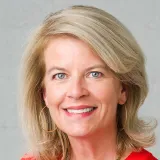
Join us as EDVIEW360 welcomes Brett Tingley—national literacy advocate, parent leader, and one of the most influential voices pushing for evidence‑based reading instruction across the country. Our timely, energizing conversation focuses on why literacy is not just another subject, but the engine that drives deeper learning, critical thinking, and meaningful engagement in every classroom.
As President of UA‑KID, OH‑KID, and Parents for Reading Justice, Brett has mobilized families in more than 20 states to demand better reading instruction, improved identification and intervention for dyslexic students, and systemic reform from school districts to higher education. She is also the producer of the widely viewed documentary Our Dyslexic Children (more than 200,000 views), the creator of a free online literacy course, and host of the podcast Literacy Now.
In this episode, Brett brings her deep experience—and her unmistakable passion—to help educators start the school year with clarity and purpose. She explores how science‑of‑reading–aligned instruction lays the groundwork for deeper learning across all content areas, and why strong decoding, fluency, and language skills unlock richer thinking for every student.
Listeners will learn:
- Why literacy is the foundation for deeper learning across all subjects
- How Structured Literacy supports English Language Learners, dyslexic students, and striving readers
- What teachers can do in the first weeks of school to set students up for success
- Why parents are powerful allies, not adversaries
- How to connect reading instruction to higher‑order thinking
- Practical strategies educators can use immediately to strengthen literacy and deepen learning simultaneously
- Why teaching children to read is the greatest gift a teacher can give
This episode is designed to help educators begin the year with renewed energy, a clear sense of purpose, and actionable steps to ensure every student has the literacy foundation they need to thrive.
Narrator:
Welcome to EDVIEW360.
Brett Tingley:
For teachers, I really do think that if you didn‘t learn about the science of reading in college, you really were robbed. I mean, it‘s kind of an ugly thing to say out loud, but your time and treasure, your money and your time, and you couldn‘t even do the most basic things. So, you should be a little grumpy. Do what you need to do to get the science of reading out. It‘s never too late. And then do what you set out to do, which is to teach kids and inspire them and grow, you know, the citizens of this country, the future of this world.
Narrator:
You just heard from Brett Tingley, literacy advocate and president of Parents for Reading Justice. Brett is our guest today on the EDVIEW360 podcast.
Cassondra Mantovani:
Welcome to Voyager Sopris Learning‘s EDVIEW360, the podcast where we bring together leading voices in literacy education to explore what works, what matters, and what‘s next. I‘m your host Cassondra Mantovani. Today on EDVIEW360, we are honored to welcome Brett Tingley, a nationally recognized literacy advocate whose work has transformed the lives of countless children with dyslexia. Brett‘s journey into advocacy began as a parent determined to understand why her own children and so many others were struggling to learn to read. What started as a personal search for answers quickly grew into a powerful mission, ensuring that every child receives the evidence-based instruction and timely intervention that they need to thrive. As president of Parents for Reading Justice, Brett has built one of the most influential parent-led literacy organizations in the country. She‘s mobilized families across more than 20 states, pushed for stronger dyslexia identification and intervention policies, and partnered with educators to bring the science of reading into real classrooms. Her work, including the widely viewed documentary, Our Dyslexic Children, and her ongoing literacy training efforts, have given thousands of parents and teachers the tools to advocate for students who too often go unseen. Brett brings both deep expertise and lived experience to this conversation, and she‘s here today to share practical, empowering ways that parents and teachers can work together to help all children learn to read, especially those with dyslexia. Her passion is unmistaken, her clarity is refreshing, and her commitment to students is unwavering. Let‘s get started. Welcome, Brett. We are so excited to have you here. Thank you for joining us.
BT:
Well, I am deeply honored to be here, Cassondra. Thank you for inviting me.
CM:
Absolutely. So, where I‘d love to begin is just to ask you to give us a little bit of background into your own personal story that led you to this path of advocacy for learners with dyslexia and their parents.
BT:
Absolutely. I was just kind of the average mom taking care of three kids. I was, I call it the cupcake mom. I was the room mother. I volunteered all the time. And then I had a child who struggled to read. When I took her to school, bright, confident, excited, ready to go. And when she began to struggle, I wanted to know what was going on. It was different than my other kids and was told by the district and the teachers, she would grow out of it. I should have read to her more. She wasn‘t trying hard enough. At one point, we were even told that we should medicate her. And it didn‘t make sense to me because my husband and I had read to her in utero and every night since that is a part of how we spent time with our children. And so, it didn‘t make sense to me. And I began doing a lot of research, reading everything I could find. Sally Shaywitz’s Overcoming Dyslexia, Pete Wright’s Wrightslaw: From Emotions to Advocacy, and realized that there was this whole body of knowledge that my district and my teachers did not have access to. That we knew how to teach children to read, but my district was not equipped to do that. And so, I started this journey about a 10-year journey to change that and bring evidence-based literacy instruction into every classroom.
So, we worked. What I realized very early on is that a group of parents can have more impact than a single parent. And so, we grassroots organized a parent group called Upper Arlington Kids Identified with Dyslexia. And we ran it very professionally, like a business. And we were able to bring our district to the science of reading. And so, we realized that if this works at a district level, let‘s do this at a statewide level. So, we started a group called OH Kid for Ohio kids identified with dyslexia. Had 20 odd parent groups representing over 185,000 students statewide. We became very active at a state level. We mentored each one of these groups up, but then we also got involved with statewide legislation. And we have some very good science of reading legislation in place now. And then something that I‘m most proud of that we recently worked on was the statewide audit of all of the colleges of education. And it has real accountability. Colleges do not align with the science of reading. Then our chancellor of higher ed is forced to revoke accreditation. So, as a parent, we love it. But then again, after this win, we realized, you know, or we asked the same question: How do we help more children learn to read? And we realized that this was not just affecting dyslexic children, this was actually affecting all children. And if this can flip a district and then flip a state, we can do this nationally for all children. And so, that‘s really the genesis of Parents for Reading Justice to help educate and activate parent groups to do this same work in their own district and in their own state.
CM:
That is just an incredible story and path for just, you know, you share that it was a 10-year journey for you. And that just the needle that you‘ve moved towards making progress and bringing awareness and making real change within districts is really powerful and very impressive. If we could, I‘d like to ask you a couple questions just about the beginning portion of that journey, because as a parent, I‘m sure, you know, as you mentioned, they were making suggestions of things that didn‘t quite make sense to you, right? But have we read enough? Have you tried X, Y, and Z and all the things you know that you‘ve tried and you knew that there was something deeper? What was the turning point for you that took, “Let me listen to the feedback and things aren‘t quite right,” to “I know that there‘s a definitive action that I can take as a parent to make change in my district?” Was there an aha moment for you where that clicked?
BT:
Well, what I realized, like I said, when they said to me that we had not read to her more, they were shaming and blaming my family and my daughter. And when I realized … When I began to do research, it made no sense to me. I mean, that cannot be what is wrong. So, when really it was Sally Shaywitz‘s book, but I, you know, she I came upon through her overcoming dyslexia this whole body of scientific knowledge with cognitive neuroscientists and speech language pathologists. And there was this whole body of knowledge that our district was not accessing that was available. So, the problem was not we don‘t know how to teach these kids to read. The problem was we do know how to teach these kids to read, but my district is not doing it. And so, it was in a way, it was maddening. You know, I was very angry, but in a way, it was also a relief because we know the answer. We‘re just not doing it. So, that‘s where bringing in a whole group of parents. So, and this is going to be, I‘m very frank when I speak because people need to understand there are many districts that because they don‘t know any better, they really try to, you know, isolate families who ask questions, or this is not real, or you know, the science of you know, whatever their issue is. So, we have to help those families. It is real. There is information. The district just doesn‘t know. Now, again, I have said, and I will say this all day long, the root of the problem is colleges of education not keeping up with the science. And in my humble opinion, they are the one entity in the ecosystem that should keep up with the science. That is their job. The college of education should be on top of that. But if they are not doing that, then they are letting, and I actually think we have a great alliance with teachers because our children have been robbed and harmed by colleges not keeping up with the science, and teachers have paid money. They have spent time and they are not learning the most basic skill. They don‘t know how to teach a kid to read. That is horrible. So, the beauty though, and like I said, I sound more dramatic. We engage with districts in a very professional manner. After we were able to, we formed the parent group, we flipped our district to the science of reading. We actually came in shoulder to shoulder with them. We partner with them, and to this day, we meet with them on a quarterly basis, the highest levels of the district leadership, with the highest levels of Upper Arlington kids identified with dyslexia. We work together to ensure that every child has the opportunity to learn to read. And I think that is and we do it at the state level. Our state, we had been advocating for so long. Our governor is very on board. Mike DeWine is amazing. Steve Dackin, who runs the Ohio Department of Education Workforce. Chancellor [Mike] Duffey, who runs the Ohio Department of Higher Ed, they are all in. So, it‘s so much easier when the leadership is on board, but we work with them. So, once teachers and districts and systems understand the science, first they have to be told about it, they have to hear about it somehow. And then when they understand it and are actually really trying to do it, we are your best ally. Parents can be your best ally. So, that is one thing. Yeah, I think the and I don‘t know, let me know what you think about this. But I have been thinking about it recently. I‘m presenting at the Big Sky Literacy Conference, and how did we get into this adversarial relationship? A lot of people say, “You know, parents are very passionate.” Sometimes, that‘s code for, you know, “They‘re loud or they‘re complaining” or whatever. We just want our kids to learn to read. But if you think about it, if you think about a teacher, you go to college, your professors are telling you this is how you teach reading. You have them put a picture. You have them guess at the context, and you do that long and hard, and it doesn‘t work. And then you have some parent who‘s been on the internet coming and telling you or asking you, “What do you do?, and you think they‘re nuts. I actually feel that the balanced literacy or you know, defective philosophy rather than evidence-based, you know, Structured Literacy, I think has created this need for obfuscation and has created an adversarial relationship. And I think that we can do away with that.
CM:
Absolutely. I think that the fire that parents have for their children is, of course, unmatched. You can move mountains for your kid with the passion you have for them. But I also think that educators come from such a mission-driven perspective. You know, I don‘t think anybody goes into the education field for, you know, vast investment gains, right? It‘s because there‘s a passion for either helping others or because of the doors that education has opened for them or a desire to have a future that they didn‘t think was possible before. Our educators are so special in their passion. And so, I believe there‘d be a defensiveness, right? Of I, my intent is in the right place. And whether it‘s because the information is not current or the tools are not ready or a district is mandating something different, there‘s all sorts of whys. But what I think for both parallel paths of parents and educators is that they‘re both so passionate about these kids. And so, how do we take the passion, channel it together, right? And really move the needle for these students because that‘s the ultimate goal. So, I think you‘re right. It‘s turned into something that can sometimes be perceived as adversarial, but we just need to harness that heart that lives in both sides of that coin and channel it for ultimately these students.
I want to dive into something, though, that you brought up around evidence-based reading instruction, because I want to start to get into some really tangible tools that the educators listening to today‘s conversation can really take and walk away and apply right away. So, a question that I had for you that I wanted to ask was you have said in prior work that literacy is the engine of deeper learning. So, how does evidence-based reading instruction create the conditions for which you‘re thinking across all subjects from your perspective?
BT:
Because evidence-based literacy instruction has evidence that it teaches children to read. And reading is the building block of, you know, I and I say it‘s not even just the building block of, you know, school. It‘s the building block of your education. You know, you learn to read and then you read to learn, but it‘s the building block for everything else. For your life. For your family‘s life. For your community‘s life. For the future of the country. How do we compete with China if a third of our people are reading proficiently? I do not understand.
CM:
You don‘t. That’s the answer.
BT:
It‘s like it‘s the most basic building block. It‘s the first thing that kids are measured on. It is that you don‘t do math or science or civics or social science. You don‘t do anything else unless you can read. And so, I can get a little, again, a little dramatic, but I think that you are giving and I can get upset that you are saving children‘s lives. I know children who have committed suicide. I know children who have overdosed. So, teaching reading is … It‘s saving my kid‘s life.
CM:
It 100% is. It is changing the trajectory of their future in their families and their whole lives. It is so important. So, you it‘s not dramatic, it is factual. That‘s what this does. And so, I echo your emotion about it because it is so powerful. So your advocacy spans more than 20 states. So, there‘s a lot of variance across these states. So, what patterns have you seen in the classrooms where Structured Literacy is implemented well? And how does that translate into day-to-day success for our teachers?
BT:
- I love this question because I have a little podcast called Literacy Now, and I invited Kareem Weaver to be a cohost. And we had the most fun. We did a road trip in Georgia. He has consulted with a few districts down there and read about a couple. So, we decided we would go down there and look at what was going on, and there was a small town called Cuthbert, Georgia. We drove out into the boondocks, and the principal Heather Melton, and they are doing very fine Structured Literacy work. And it is palpable. The children are reading, they‘re raising their hands, they‘re volunteering. We were in a classroom where they had, I think it was like third or fourth grade, and they had to decide one side of an argument whether or not they wanted to be subjects of the British King, or they wanted to be independent new Americans. And they had like these long essays and they had illustrated them and they were reading them to us, and it was beautiful. And then the teachers we left later, probably, you know, very shortly after the school day had ended, and like teachers were pouring out of the school. And I‘m not used to that. Usually teachers stay and they‘re doing all this extra work. And we were asking, and they said, “Well, yeah, no, our teachers complete, you know, their work, they go home, they exercise, they cook dinner with their family.” So, all of a sudden, you know, teachers are getting what they need, but kids are learning also. Also, they said that behaviors go way down. There‘s this huge thing with SEL programs, social-emotional learning, which Kareem and I have been open about this on the podcast, but I think it is another symptom of kind of the balanced literacy thing. Just like, you know, I was saying this sometimes adversarial relationships between parents and teachers. But, you know, if we get this right, our kids are learning to read. They‘re excited about reading. We talk about the love of reading, and still the love of reading as if it‘s something that you just teach them how to love reading. You don‘t love something that you can‘t do in our documentary. It‘s one of my favorite parts. Louisa Moats, she kind of chuckles to herself and she says, “We, you know, you cannot love something that you don‘t know how to do.” And so, the social-emotional learning programs to me are a way of us to tamp down children raising the alarm, saying, “I‘m not learning to read, I need help.” Little kids may not know how to do that. Yeah, they want to leave or go to the bathroom, or you know, we‘ve interviewed people who, you know, they figure out when it‘s their turn to read out loud, and they either have to go to the bathroom or they poke somebody and get kicked out, you know. So, behaviors even went way down. I call it a virtuous cycle. It‘s beautiful when you see it working really well.
CM:
That‘s amazing. Well, so you mentioned the importance of implementations going well. So, then what do you think that schools sometimes need? Actually, let me reframe that question. In speaking about implementation, what do you think schools sometimes underestimate about the support teachers need to make the evidence-based instruction really stick in their classrooms?
BT:
So, my background is engineering and I have an MBA. My engineering is in industrial and operations engineering. So, it‘s all systems. So, in a way, I was like perfectly set up for this. So, I think about the system. Teachers need the knowledge. Whether they get that in college or not, you know, we‘ve got like two different systems. We‘ve got one where the colleges of education are just graduating climate or not climate science deniers all the time into the districts. And we‘ve got the other ones where there are whole groups of teachers who‘ve never heard about the science, hopefully not by now, but we have to fix both of those groups. So, somehow you‘ve got to get the knowledge for the teachers so that they understand why. I don‘t think you can just mandate you must do this. Understand why. Then, we also need them to have the right tools. We need to have the right tools. And then, you know, the latest big thing, if you look at what Mississippi is doing and the Southern Surge and a lot of strong state implementation, is they‘re using coaches like crazy. Tracy White-Weedon has an amazing graphic that she uses when she presents that shows along one axis, like all the different things that you can do for a teacher. And then along the other axis is how kids do, you know, like their progress. And, you know, you can lecture in front of a teacher and just tell them do this. Or you can let them practice a little bit and kids learn a little bit more. But if you do coaching with them, it has the most evidence of actually helping kids learn to read. So, that is what, and I also think though, and this is where again I am, I don‘t mean to be ugly, but I am exhausted of everybody trying to be nice and just talking about this. So, we have all asked colleges of education to follow the science, to get on board. And I love what we‘ve done in our state. I helped my Department of Higher Education. I introduced them to Sharon Vaughn‘s The Meadows Center group at UT Austin and made sure that the Meadows group knew that they should apply. And then, they were selected. Thank you, Lord, and did an amazing boots-on-the-ground audit, like way deeper. And they found some crazy stuff. And there were, I think, 10 or 12 colleges who were on the naughty list. And they will have another audit to check to make sure that they are following the science of reading, or they will not be accredited. And it doesn‘t matter if it‘s our biggest university or who it is, because finally someone is saying out loud, our kids are more important than the comfort of adults.
CM:
Wow. That is so powerful. And I just, I just applaud how the actions, it‘s one thing to have opinions. There‘s a lot of folks that have opinions of I think this is the right way to do things, or this is, I think this is what they‘re doing wrong. But to take action to understand what can be done, to connect the educators to better instruction back at the college level, right? To figure out where is the root of this and to take action to repair that. Brett, I‘ve just got to give you so many flowers for that work and that fire that you bring to this conversation and to our industry. There‘s often mandates, right? You mentioned about the balance that our educators face of things that then get mandated to them and then what then actually gets applied in the classroom. And so, feedback we‘ve received as we partner with educators is many of them feel pressure to cover content. How can teachers reframe literacy, though, as the foundation for deeper learning rather than just an isolated subject?
BT:
Well, as I mentioned before, reading is the very basis of everything else. So, there is no content after only when you get reading in place you teach content? And if you read, you know, the research, I mean I‘m on a bunch of different education leadership groups. You can weave this into basically everything. You know, there‘s a morphology to science. There are Latin roots and Greek roots to lots of different words. Like we‘re teaching them the basics of reading very early on, but then we‘re adding to that this whole time all the way through the grades. And I think if we are not teaching them how to read, we are limiting them for the rest of their lives. They can read about places they will never have the opportunity to go. They can read about people they will never have the opportunity to meet. You just open up their whole world if you‘re able to teach them to read. So again, reading angels. When teachers have that skill, parents will go to the mat for you. And that is true.
CM:
Well, and you work closely with families of dyslexia students. The origination of your work came from being a family of a dyslexic student. And so, I want to go back to those early roots to then give some insights to our educators. What would you recommend for teachers to try to understand about early identification and intervention to prevent years of struggle?
BT:
Well, there is nothing more important. So Nadine Gaab is going to be a first guest in our professional learning community. I‘m providing that for free for parents. And she talks about the neuroplasticity. You know, as the neuroplasticity is highest the younger they are, it wanes over time. So, we want to get kids as soon as we can. And she‘s doing MRI studies to see how early we can see a kid struggle. So not only is it beneficial from a brain science standpoint, it takes less time. You know, the statistic that if you help a kid, you know, intervene in fourth grade, it takes four times longer than it does if you find a kid in first grade. You know, it‘s easier. And so, I talk about it from a scientific objective standpoint, but then I can also talk about it from an emotional perspective. A child‘s sense of self is being developed in the same critical years that they are learning to read. And that is the one thing that they are supposed to do until they, you know, around third or fourth grade when they read to learn. They have to. And it‘s almost like, and this is what I mean, whenever I have an opportunity to talk to districts, to researchers, to colleges of education, to deans, to state leaders, I want you to do what you would do for your own kid. So, in my district today, we test for dyslexia, not a universal screener, and then if they flag, then we go back. We test every single baby for dyslexia in kindergarten. And we‘ve been doing that for probably like seven or eight years. Because if you ask anybody who knows anything about this, what they would do, they don‘t wait. They find out what‘s going on, or they begin, they almost remediate them from day one. Tim Odegard is famous for whenever I see him, he‘s got a son, he is talking to him all the time, and he is teaching him things all the time. Kareem Weaver taught his dyslexic child to read before school. People don‘t wait a little bit, get them very early before because even if you know, if you wait til later and you teach them to read, the emotional scars and the trauma. I was in a state school board meeting, and one of the school board members was talking about the trauma, the racial trauma that these kids were coming in with, and they were not able to read. And this was a black woman, and one of the parent group members for our Ohio kid parent group, a woman named Joy Palmer, is amazing, a black woman. She told her in no uncertain terms that her children did not have trauma until they got to school, until the flawed reading programs were put in place. So, here‘s another controversial thing. I think that we through these flawed reading philosophies are creating trauma in children.
CM:
Wow. I got goosebumps.
Voyager Sopris Learning:
Voyager Sopris Learning® is the reading, writing, and math intervention specialist. With four decades of results, we provide evidence-based interventions and assessments that help educators ensure academic success for all students. Learn more at voyagersopris.com.
CM:
It reminds me, we had a really impactful conversation with Ameer Baraka, big dyslexia advocate, and he shared his journey, and how unintentionally at almost every turn within his educational experience, it just continued to push him into himself and damage his relationship with who he thought he was and his education. The potential love for learning at that point in his life was absolutely shut down and the unintentional behaviors that took place in the classroom, and it just really created major scars and a major turnoff to wanting to learn more or figure out if there was a problem. It was “I’m not capable” and what that did to him as a child, it‘s horrible. And you don‘t want any students to go through that. I love that your district is now doing screening for every kindergarten student as mandated. Have they started to do any sort of case studies comparing what outcomes were for that district before doing that versus now that they‘ve implemented that? I‘m sure there‘s incredible results of the difference that makes.
BT:
So, one of the things that I have found as an engineer, I‘m all data. But there‘s this weird thing in education where, like in our state, we have a report card. And some years it‘s like four stars, and then sometimes it‘s an A or a B or a C, or it‘s, you know, they‘re always changing. So, it makes it very hard over time to look at this stuff. But I have begged them and made them. And what we can show, and it was kind of interesting, and I think they‘re now seeing the value of it. We can show what it was kind of when we started, like how kids were doing. And then we‘ll also maybe do a test in first grade after we provide an intervention to say these dyslexic kids. And then we can see over time that it‘s helping those kids, you know, their phonemic awareness is getting better or their whatever that is. But the information is so important to help you fine-tune what you do. Now, I will say when we just had Louisa Moats on our big huge conference that was so amazing August 2. There‘s a recording on our website if anybody‘s interested. And wait, what was I saying?
CM:
I think you‘re talking about when you‘re screening and you‘re finding intervention, but it‘s working because you‘re catching it early.
BT:
Well, I mean, just the idea. So, Louisa Moats talks about the idea that 95% of kids can learn to read. So, here we are with third, you know, like a third of kids reading proficiently. And she completely can reset the bar. She‘s saying we should be shooting for 95%, but you‘ve got to get in a really good core curriculum so that all the kids, the floor, Kareem talks about the floor, is really good Structured Literacy. And then you find these kids as soon as you possibly can and rush them, the interventions to plug any holes that they have, and then you just set them on their way. And so, that is what we must do.
CM:
Well, so in your experience, what are the most common misconceptions teachers encounter about reading intervention? And how can schools correct them?
BT:
Well, somehow what we do with students, so a lot of people think that the way that you teach some kids, you know, or dyslexic kids is different, vastly different than the way you teach all kids. Actually, no. And Louisa will say all kids basically learn to read the same way. The dyslexic students may need more repetition, they may need it more often, they may need a longer duration, but all kids benefit from Structured Lliteracy. So, and a beautiful example of that was when we first flipped our district, we were trying to get something in place and for our dyslexic students, trying to rush some resources. So, it was like a little intervention, but it was working. So, we had a first grade teacher who started asking, and we didn‘t even like tell her or anything. We weren‘t, this was just this beautiful thing that happened, but it was kind of like the Trojan horse. We got some good reading instruction in, and she went to her leadership and said, “My God, whatever they‘re doing out there, I want that for my first grade class.” So, they did a trial, then everybody got it. And now, you know, it was like another way to get Structured Literacy in that was beautiful.
CM:
Well, and you brought up a topic earlier on in our conversation around the dynamic between parents and teachers, and where there may be a sense of adversarial kind of dynamics potentially. But I want to flip that concept because of this advocating for Structured Literacy, is how can teachers help parents who are advocating for Structured Literacy? And how can they be partners with parents while doing that work?
BT:
So I, our group, even in the earliest days, and just so you know, our district was one of the first that was experimented on with Reading Recovery, Fountas and Pinnell. So, hard balanced literacy district. So, we had to push pretty hard. But there were just a handful of teachers and an administrator that had somehow accidentally run across the science of reading. You know who really gets it. Speech language pathologists. So, they supported us actually kind of covertly in our efforts to move to the science of reading. So, if you are a teacher who is in a district that is not Structured Literacy and you have a parent group, you should support them in any way that you can, even if you have to do it covertly, because they will support you. We can write letters of recommendation for you. We can, in fact, the first special ed director that we had after we got this the district moved, he changed the name to Student Services, which I loved, much more respectful. And we got him, we all got together and filled all kinds of forms and everything and got him elected to the special ed director of the whole state of Ohio for the entire year. So, we like cemented him in because we thought that they wouldn‘t be able to fire him if he was shaking it up too much, because he was the special education director of the whole year of the whole state. And parents, we can help to get the proper curriculum because we can kind of flex our electoral power with our school board members. You know, if you‘re and this was crazy. So, I was at the Ohio Literacy Academy, I don‘t know, a month or two ago, and I had several teachers come up to me crying because they were being like retaliated against by their district because they were trying to do Structured Literacy. So, parents can definitely help you in situations like that. Because again, parents help elect the school board, and the school hires and fires the superintendent and the CFO.
CM:
Unfortunately, teachers often feel this caught in the between the curriculum mandates, district mandates, and the student needs that they see right in front of them. So, in the situation you were just sharing, how can they use Structured Literacy routines to stay grounded in what works, even when the systems around them may be inconsistent?
BT:
Well, it‘s like in my own district. So, we had an example of where they were using all this balanced literacy garbage. But this teacher, when she saw something that worked, it all has to do with data. So, if you can show that your kids what you‘re doing, if you‘re using Structured Literacy and those routines and those, if it is working with kids, that will give you more leeway because people are gonna want to see what you‘re doing, how you‘re doing what you‘re doing. And again, parents will back you up because I don‘t care. It sounds mean, but I‘m getting too old to care about everybody liking me, everybody happy to see me. You know, I had a lady who would drive her cart at the grocery store, and when we were kind of going through all this, she would turn her cart the other way. But now I have people come up to me all the time. We have people moving to our district for the services for our kids, from out of state. I mean … Here‘s another thing that Kareem and I have found in these interviews. So, we interviewed Ameer Baraka and Dion Butler. And if you want to hear it, it‘s one of our podcasts. It‘s devastating, both of those stories. But when you realize that we know how to teach children to read, and we are not doing that, then you cannot unsee that. And it requires you to be brave. And if you‘re you know, I know teachers‘ jobs are on the line. That is super scary. But imagine if your child every day you dress your baby up, send them to school, and you are working to bring them to Structured Literacy. I mean, that is bravery, too. We all need to be brave. But I think that we … I think we are at a moment in this country‘s history that we have to be brave. It‘s an all hands on deck moment. I don‘t know how we compete with China. I don‘t know how we continue if only a third of our people can read. So, be brave.
CM:
That’s amazing advice. What other advice would you give to teachers who are maybe feeling overwhelmed by the gap between what they were taught in preparation programs or even within the tools that are being provided to them and what they are now knowing the science of reading demands.
BT:
Well, I think there‘s so many resources, but there you have to be careful like what you all do. You work with Louisa Moats and you know her LETRS program and there are you know Cox Campus and the AIM Institute and there are all kinds of places where you can get that information. But I really like The Reading League because it‘s like a community of teachers who are moving to the science of reading, moving to Structured Literacy, and it‘s a safe place to have those conversations. I had the opportunity to address our Reading League here in Ohio at their state conference and I like I said … I‘m always amazed that they give me a microphone with a bunch of teachers around but they did and it was like it was so beautiful because they were all they knew about the science reading they were talking about it. They were figuring out how to hone their teaching styles. You know you go to like one of their conferences and you‘ve got Anita Archer. She could teach anyone anything. She could sell ice to Eskimos which is wonderful. Children deserve it because it is a human right but teachers deserve to be good at their jobs and why doesn‘t it make it a really interesting profession that you are always learning something new and that you know the science is evolving and you‘re continuously improving and you can always do better with kids. To me, that‘s very invigorating. I would love that. So, I would suggest … I mean every other profession has to continuously improve and continuously learn. There‘s no profession that what you learned 20 years ago in college is the same. The only constant is change. So, get on board.
CM:
Well, speaking of resources you‘ve created a free online literacy course for families. How can teachers leverage resources like this to strengthen homeschool literacy collaboration?
BT:
I did not mention this before but how amazing would it be and we encourage it. I mean our district does some of this and we did this for our community. We teach parents about the science of reading, we showed our documentary that it can be done and you know what it was like 10 years ago we talk about and bring people in to share how does a child learn to read? How does the brain learn to read? What is the science of reading? What is Structured Literacy? Because why would you not if you have nothing to hide if you are science of reading and that‘s where you‘re going and that‘s where you know Structured Literacy and you‘re confident because you know that kids are going to learn to read. Why not share that information with families? Everybody‘s using these weird acronyms and they‘re inviting like 10 people to the IEP meeting and they‘re we had eight hour IEP meetings where I was paying for an attorney. I mean crazy things. So, do not block parents out. Bring them in as partners and we can help you in so many ways. So, our resources … My core value is that everything we offer is free. Now, it does put a big responsibility on my shoulder to beg and borrow and steal but we have you know the documentary is free. Parents, teachers, districts can show it and if I have time I can zoom in and be on a panel. You know that‘s a way to get people interested and excited. We also have our podcast Literacy Now and with Kareem it‘s Literacy Now Together, where we want to make sure that parents and teachers and anyone else is hearing about the whole ecosystem. We have a parent group directory where if a parent group or a community group forms, they can register with us so that we have like a listing of all the different groups who are doing this. We just announced a professional learning community. So, I love the idea that teachers get together in groups and they learn together and they talk and they share and so I want that for parents I have the luxury of going to conferences. I‘m always going to conferences and learning everything I can but most people can‘t do that. You know they don‘t have a nonprofit that pays their way, flies them and a lot of these conferences are really expensive. So, what we want to do is bring that to parents for free and not just parents but also teachers .Everybody‘s invited to the professional learning community because we‘re trying to build the knowledge of the general public.
CM:
You‘ve mentioned your documentary but I want to call it out by name for our listeners so that if they haven‘t had a chance to watch it, they have to. It's called Our Dyslexic Children and it‘s reached over 200,000 viewers so far. So what insights from that project should teachers carry into their own classrooms when supporting students with dyslexia?
BT:
Well, we made it for two reasons, and also we had no advertising. So, that 200,000 is word of mouth. We made it for two reasons: One, because we wanted to show children and we wanted to show families how hard this is for the family when kids are not found early and are not helped.
And so we‘re trying to pull at heartstrings so even the toughest, meanest people will see we‘ve got to help these kids, you know. Teachers can use that with, you know, if they‘ve got a principal or a superintendent who doesn‘t believe it. You can show them. It‘s so much better than reading it in a book or in an article to see the children‘s faces and to hear in their own words how devastating this can be. The other reason we made it, that‘s like the the carrot, there‘s also a little stick and that is that we tell people to show it to their district or to the school board because … the reason why it‘s smart sometimes to focus specifically on dyslexic children is because there are many laws protecting them. So, Child Find is a federal law that has teeth. Or, IDEA is the federal law Child Find is a part of that Fair and Appropriate Public Education is part of that and we want and I think a teacher who understands Structured Literacy if they want help convincing their district or the community that‘s the way to go, they can show the documentary and they can show what can happen to a district if they don‘t follow the science of reading. We were the first district in Ohio home of Fountas & Pinnell North America headquarters of Reading Recovery. So, we collaborated at every turn with our district. Unfortunately, our superintendent would not even meet with us and we had a school board member who would not meet with us. So, we kind of knew where it was going, begged and pleaded and all that but after a while … We filed the largest systemic group complaint in the state‘s history. They were found in violation on all allegations and then everything changed because all of a sudden IDEA the Individuals With Disabilities Education Act … That‘s real, it does have teeth. But then like I said, we immediately came up close with the district. We got a new superintendent and we went in with our mission statement and we said this is who we are. We are not just litigious parents. We are partners. We want to help you. We will do what we can to make you successful but one of the reasons that we got sideways was we weren‘t talking. So, the dyslexia task force … Let's meet regularly and let‘s talk about how we teach every kid to read, and we do that to this day.
CM:
What a fantastic example of how parents can truly be a teacher‘s greatest ally when it comes to helping our children overcome these challenges. I mean what a powerful partnership that demonstrates and as you shared a little bit about the documentary and the emotional side of that and even earlier as we shared you know Ameer Baraka‘s story and talked about all of those things that you and I have seen as we‘ve navigated our work in this space but that toll can become irreversible. And so, for these children can you share, just I know it‘s hard to summarize, all your years of advocacy and things that you‘ve witnessed but can you tell us what that toll can look like for a child not just academically but emotionally?
BT:
Well, as you say, my focus is usually forward. I don‘t always like to look back because I think part of why I do this work is because I have seen what happens to children. So, in my original parent group there was a young boy named Eric and he was never diagnosed. He just never got a chance to get his footing and he died of an overdose in his family‘s home over Thanksgiving at 24. His mom was there. So, she said [to me] you know talk about him so we don‘t ever forget him and there‘s a little picture of him when he was you know biddy like second or third grade and he‘s got a little sign under his face it says brave and then she sent me a picture of brave tattooed over her heart and I thought you know so I take care of my own child but I take care of all those kids and there are I mean you just look at what is going on there are. So many children who have suffered. If I was preparing a presentation for this conference and I was looking up the literacy rates of adults it‘s not just children. We have a third of children reading proficiently but 54% of adults in the United States read below the sixth grade level. A target job application, we ran it through AI, is about a ninth grade level. Even if you don‘t care about individual children, you know incarceration rates, addiction rates, suicides, underemployment. Think about yourself. Think about the economy. I had a conversation with our governor, Mike DeWine, and he is all about the science reading. I cannot thank him enough. It helps so much to have strong leadership but he said when I go out and I‘m selling Ohio, our literacy rates matter. Our workforce matters and Ohio just got rated. I think it was by Forbes the best state for business and you know science of reading‘s not all of it, of course, but science of reading is a little part of that. So, I think, and this again I‘m being dramatic, but I speak from the heart because I‘m watching the kids literally dying because of this. I don‘t see outside of curing cancer what is more important than teaching kids to read.
I think it‘s just the whole gambit. The child. The family. Divorce rates are through the roof with parents whose children struggle to read. They have a hard time the rest of their life. Their community. Their whole country. How do we sustain this?
CM:
It truly is the greatest gift a teacher can give is teaching children to read and you‘ve just shared some of the many reasons and the many gifts that it unlocks for the student and for the teacher‘s own sense of purpose, right? How, what words, I guess, of encouragement … Understanding that is the most powerful gift we can provide. What words of encouragement would you give to both teachers and parents as they navigate this path moving forward?
BT:
Well for parents, I didn‘t want to just give them words of encouragement like, “You can do this.” We made the documentary. We wanted to show them it can be done, and if we can do it where we did it, you can, too. I mean it can be done. For teachers, I really do think that if you didn‘t learn about the science of reading in college, you really were robbed. I mean, it‘s kind of an ugly thing to say out loud, but your time and treasure, your money and your time, and you couldn‘t even do the most basic things. So, you should be a little grumpy. Do what you need to do to get the science of reading out. It‘s never too late. And then do what you set out to do, which is to teach kids and inspire them and grow, you know, the citizens of this country, the future of this world. Teaching has gotten a bad rap lately which drives me nuts because I think again the root of the problem is colleges of education not keeping up with the science because everybody wants teachers to be equipped and we want them to have the best information and the best tools. And if they do, it‘s like a fine-tuned machine and our kids will learn to read. Our country will be moving in the right direction. We will figure out the cures to cancer, but if only a third of our kids are reading proficiently there‘s so much that we‘re leaving behind. So, I really do believe that parents and teachers can be very strong allies and we can support one another and we can make this virtuous cycle but we all have to get on board with you know Structured Literacy and we can be a team together. And that can be full wraparound services for children you know at home we‘re doing all the things we know about the science reading we know how brains learn to work we‘re talking to them we‘re speaking in full sentences. And then, when we take them to school we have the trust. It‘s sacred work teaching a child to read. It’s the most important thing I think.
CM:
Brett, I‘m so grateful for our conversation today. Before we wrap up, I‘d love for you to just tell our audience how they can learn more about you and Parents for Reading Justice.
BT:
We have a website parentsforreadingjustice.org and from that you can link to everything … The masterclass is there. The documentary is there. The recording of the conference will be there very soon. The podcast link is there. All of our social media, we’re on every social media. We‘re trying to really get the word out and raise this into the national conversation. So, the website parentsforreadingjustice.org is a great place to find and connect with us on all of those.
CM:
Wonderful. Thank you so much for sharing your passion and your expertise and your unwavering commitment to ensuring that every child becomes a confident capable reader. Your advocacy continues to shape our classrooms, empower families, and strengthen the work of educators across the country. And to our listeners, thank you for the extraordinary work that you do each day. We hope today‘s conversation gives you renewed clarity, purpose, and practical steps to support your students as they begin a new school year. Teaching a child to read truly is the greatest gift a teacher can give and we‘re honored to walk alongside you in that mission. Thank you so much.
Narrator:
This has been an EDVIEW360 podcast for additional thought-provoking discussions, sign up for our blog, webinar, and podcast series at voyagersopris.com/EDVIEW360. If you enjoyed the show, we‘d love a five-star review wherever you listen to podcasts and to help other people like you find our show. Thank you.