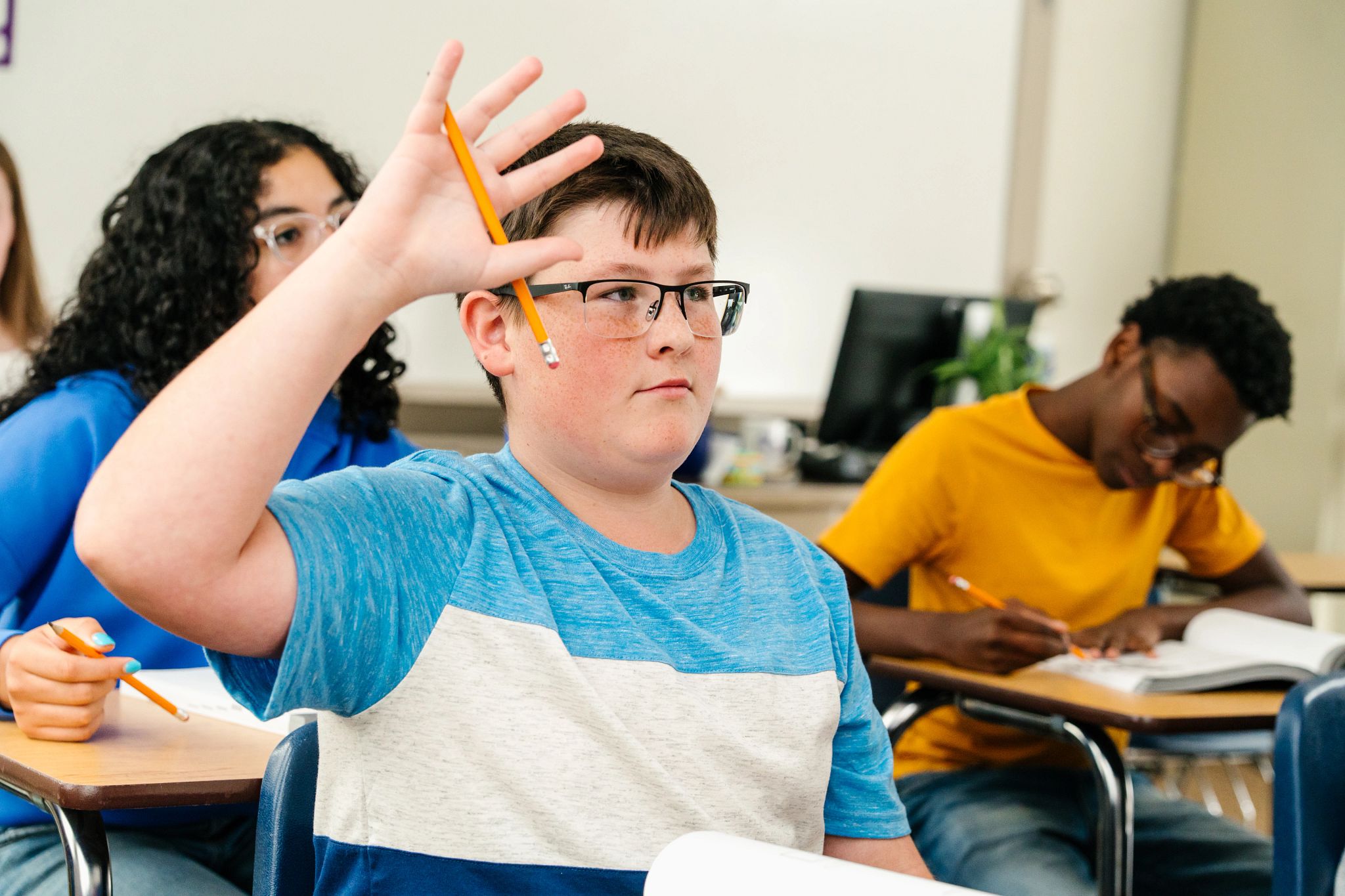
Adolescence is a time of rapid growth in students, especially physically, emotionally, and intellectually. Students in middle and high school are developing independence, forming identities, and preparing for college and careers. These changes also bring unique challenges to learning. Gaps in reading, writing, and math can grow, impacting confidence and long-term success.
Our intervention solutions are designed specifically for adolescents to increase student success.
Adolescents Are Unique
Adolescents require targeted, evidence-based strategies that close skill gaps in reading, writing, and math, build confidence and motivation, and prepare them for college readiness and career success.
Unlike younger learners, adolescents are navigating:
- Higher cognitive demands: Abstract thinking and problem-solving become central
- Social pressures: Peer influence and self-image can impact motivation
- Time constraints: Busy schedules with extracurriculars and responsibilities
- Emotional changes: Stress and anxiety often increase during these years
These factors can make academic struggles feel overwhelming—and without intervention, gaps can widen.
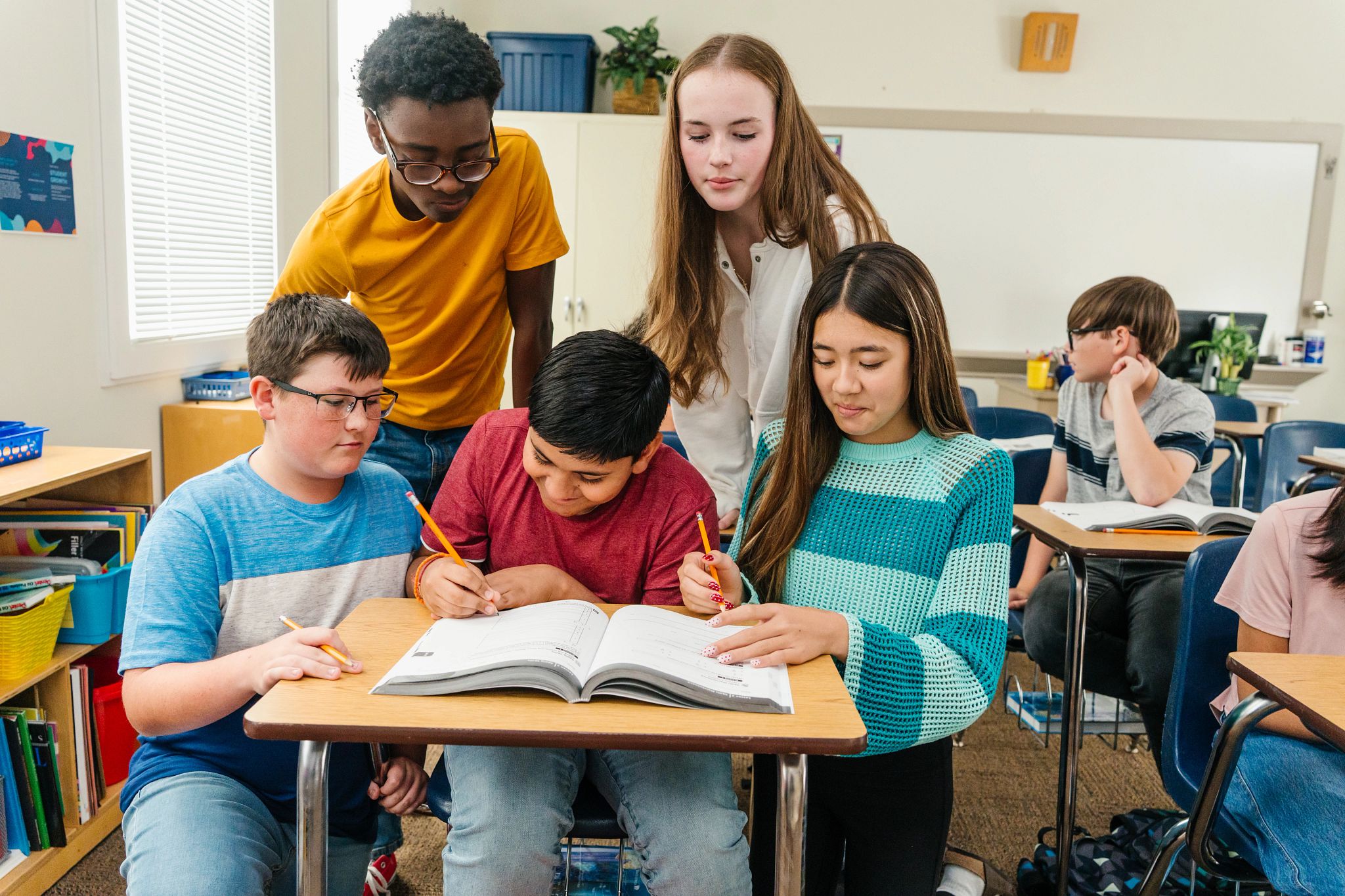
Challenges They Face
 |
Reading: Adolescents need strong comprehension and critical thinking skills to tackle complex texts in subjects like science, history, and literature.
Learn More About Reading Interventions
|
 |
Math: Advanced concepts demand fluency in foundational skills and logical reasoning. Math confidence often dips in middle and high school as concepts become abstract.
Explore Math Intervention Programs
|
 |
Writing: Strong writing skills are essential for essays, research papers, and college readiness. Writing calls for organization, clarity, and analytical depth. Challenges: Organization issues, unclear thesis statements, grammar struggles
|
Creating Confident, Lifelong Learners
Effective interventions do more than improve grades. Students become more confident, resilient, and are provided with lifelong skills when interventions have a targeted approach. Our approach incorporates elements that make our interventions impactful, like:
- Explicit, Systematic Instruction: Step-by-step methods that break down skills into manageable parts for clarity and mastery
- Structured Lessons With Scaffolded Supports: Clear, sequenced instruction that gradually releases responsibility to students
- Evidence-Based Strategies proven to boost comprehension, problem-solving, and clarity
- Skill-Focused: Reinforce foundational skills while introducing advanced strategies
- Engaging and Interactive: Encourage discussion, collaboration, and real-world application to make content relevant and enjoyable
- Technology-Enhanced: Digital tools make learning engaging and accessible
- Consistent and Supportive: Regular feedback and encouragement sustain progress
Ready to Help Your Students Succeed?
Ready to meet your middle and high school learners where they are and get them to where they need to be? Explore our solutions designed to help.