
Evidence-Based Literacy PD You Can Listen To: My Favorite EDVIEW360 Episodes
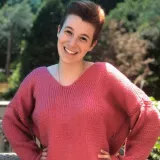
Rachel Sorsel is a first grade teacher specializing in evidence-based early literacy and social-emotional learning. She is Orton-Gillingham trained and is passionate about equitable practices and Structured Literacy for all readers. She also teaches theater. When not teaching, Sorsel enjoys sharing literacy resources, tips, and advocacy work for other teachers and parents of struggling readers, hosting @mindfulteacherrachel, playing piano, and snuggling with her cat.
As educators ease back into another school year, I know they can feel overwhelmed by the idea of consuming (and then somehow implementing!) heavy new professional development.
However, professional learning doesn’t always have to look like a six-hour training, a stack of articles, or taking notes during a slideshow. Sometimes it can look like putting on your headphones during a walk, listening on your commute, or turning up the volume while you’re getting your classroom ready.
That’s why I want to highlight some of my favorite episodes from the EDVIEW360 podcast from Voyager Sopris Learning®. For the past few years, the podcast has featured an incredible range of literacy researchers, educators, advocates, and experts discussing evidence-based literacy instruction.
I’ve organized some of my favorites by topic, so you can find a place to start based on what you’re interested in learning more about.
1. Advancing Literacy
These episodes focus on important areas of Structured Literacy that don’t always get the same attention that phonics does. Phonics is foundational, but becoming a skilled reader involves much more than decoding words. Oral language, vocabulary, morphology, writing, comprehension, and knowledge all play important roles in literacy development.
I’ve tried to order these from foundational skills toward more advanced topics, but remember: Literacy development isn’t a staircase where one skill has to be completely mastered before the next step can begin. For example, morphology can (and should!) be part of literacy instruction long before students are considered “advanced” readers.

Oral Language and Reading Skills With Dr. Pamela Snow
Why listen? If we’re talking about the foundations of literacy, we must start with oral language. Dr. Pamela Snow provides an excellent overview of how language and literacy are connected, not just at the vocabulary level, but also through increasingly complex syntax, morphology, and etymology.
The implications for classrooms beginning in preschool are incredibly thoughtful, and I especially appreciate how this conversation connects education with broader public health and policy considerations related to speech and language development.
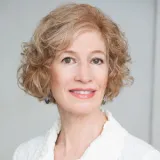
Connecting the Science of Reading to the Science of Learning With Natalie Wexler
Why listen? Natalie Wexler is the person to listen to if you’ve ever thought, “OK, but what does the science of reading tell us about comprehension, too?”
This episode explores what happens when reading, writing, and content knowledge are treated as separate silos and makes the case for content-rich instruction and explicit writing instruction, drawing on research from cognitive science.

Writing to Reading: Evidence for How Writing Can Improve Reading With Dr. Steve Graham
Why listen? This episode is great on its own, but it also makes a natural follow-up to Wexler’s conversation. Dr. Steve Graham discusses research showing that writing can improve reading comprehension and explores what effective writing instruction actually looks like.
He also gets into how we can make writing instruction more explicit, which is a particularly helpful conversation for anyone who has ever thought, “But how do I actually teach writing?”

Bringing Color to Literacy: How Engagement, Language, and Morphology Transform Reading Instruction With Michelle Sullivan
Why listen? If you’re interested in morphology instruction but aren’t sure where to start, especially when it comes to engaging younger students, this is your episode!
Michelle Sullivan explores the roles of intentional language, classroom design, engagement, and morphology while emphasizing that rigor and joy can coexist. Evidence-based instruction can be creative, engaging, and joyful. We don’t have to choose between research and fun even when implementing instruction with complex literacy layers.
2. Equity in Literacy
Access to literacy is access to opportunity. These episodes explore what it means to make evidence-based literacy instruction accessible to all students, especially students who have historically been underserved by educational systems and students who require more intensive support.
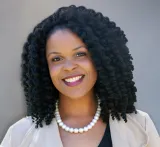
Breaking Barriers: Advancing Literacy Through Equity and Action With DeJunne’ Clark Jackson
Why listen? Because equity has to mean more than simply providing students with access to any instruction. We need to ensure the instruction they’re receiving is effective.
DeJunne’ Clark Jackson meaningfully tackles topics including how our biases can affect students’ experiences, how we can better support struggling readers, and how educators can partner with families.
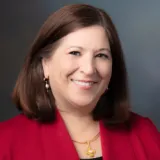
Intensive Intervention for Tier 2 & 3: Success for Multilinguals and All Students Who Struggle With Dr. Elsa Cárdenas-Hagan
Why listen? This is a fantastic episode for anyone working to improve Multi-Tiered Systems of Support (MTSS), intervention, special education, multilingual education, or classroom instruction.
Dr. Elsa Cárdenas-Hagan dives into intensive intervention for students who struggle with literacy, including multilingual learners, an important group to bring to the forefront of evidence-based literacy conversations.
I especially appreciate the ways she discusses using cross-linguistic knowledge to support multilingual students and the importance of providing appropriate, targeted intervention when Tier 1 instruction isn’t enough.
3. Dyslexia and Intervention
These episodes are particularly valuable if you want to deepen your understanding of why some students struggle to learn to read and what educators can do about it.
They move beyond simply identifying dyslexia toward understanding reading development, intervention, and experiences of the students themselves.
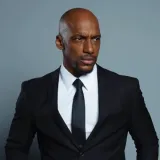
From Struggle to Strength: Ameer Baraka on Dyslexia, Resilience, and the Educators Who Change Lives
Why listen? This is a very different kind of literacy podcast episode, and it’s one I think educators should make time for.
Ameer Baraka shares his personal experience growing up with undiagnosed dyslexia, struggling in school, and eventually receiving a diagnosis in his mid-20s while incarcerated.
The conversation also challenges educators to look differently at students who disengage, act out, or appear to lack motivation. Sometimes what looks like a behavior problem may be a student communicating that they’re struggling academically.
Research can tell us how to teach reading, but stories like Baraka’s remind us why getting it right matters so much, and how getting it right can literally change lives.

How We Remember Written Words and Why Some Kids Struggle With Dr. David Kilpatrick
Why listen? If you’ve heard the term “orthographic mapping” but aren’t quite sure what it means, or how it connects to instruction, Dr. David Kilpatrick does an excellent job explaining how we build automaticity with written words.
This episode provides a helpful look at how we learn and remember words, why some students struggle to develop automatic word recognition, and what those processes mean for assessment and instruction.
4. Reading Research
If you want to zoom out and think about the bigger picture of literacy research, these are the episodes I’d choose.
They explore not only what the research tells us about reading, but also how our understanding has developed and what that means for teacher preparation, curriculum, policy, implementation, and the future of literacy instruction.


Rocket Science Revisited: Where Should Reading Research Take Us Next? With Dr. Louisa Moats & Dr. Tim Odegard
Why listen? This one is particularly helpful if you’re interested in the intersection of literacy research, teacher knowledge, policy, and systemic change.
Dr. Louisa Moats and Dr. Tim Odegard discuss the persistent gap between what research tells us about reading and what many educators are still asked to implement. They explore systemic barriers to implementing Structured Literacy, teacher preparation, data transparency, and the need to serve all learners.
It’s a great episode for thinking beyond individual classroom practices and considering the larger systems that shape literacy instruction.
Realizing the Promise of Reading Science by Staying the Course: A Conversation Between Dr. Reid Lyon and Dr. Louisa Moats
Why listen? Dr. Reid Lyon and Dr. Louisa Moats discuss the progress we’ve made in understanding reading, the persistent gap between research and classroom implementation, teacher knowledge and preparation, and the importance of mentorship and a shared professional language.
They also discuss Lyon’s “10 Maxims” and Moats’ “speech to print” approach.
This is a great choice if you’re already familiar with some of the foundational reading research and want to think more deeply about what it takes to translate that research into consistent classroom practice.
Plan Your Back-to-School Listening List
You don’t have to listen to all of these episodes in one sitting, one day, or even one week.
Pick one that connects to something you’re curious about right now and build from there.
Maybe you’re thinking more about oral language this year. Maybe you want to strengthen your writing instruction. Maybe you’re supporting a student with dyslexia, working with multilingual learners, or simply trying to make sense of the ever-growing body of reading research.
Wherever you start, remember professional learning doesn’t have to mean adding another overwhelming task to your back-to-school checklist.
Sometimes it’s just one podcast episode, one new idea, and one opportunity to keep growing.
And if you’re anything like me, you might finish one episode with approximately 47 new things you want to read about.
Happy listening!