
The Hidden Cost of Undiagnosed Dyslexia
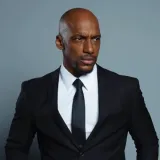
Ameer Baraka is an award-winning, Daytime Emmy-nominated actor, celebrated author, dyslexia advocate, youth mentor, and prison coach. Born into humble beginnings in New Orleans, LA, his early life was marked by challenges, leading him in and out of the prison system as a youth. Diagnosed with dyslexia in his mid-20s while incarcerated, Baraka overcame illiteracy and discovered the transformative power of education—a pivotal experience that shaped his mission to uplift and inspire others.
Baraka has forged a successful acting career, currently on BET’s hit show ZATIMA, where he plays the compelling role of Jeremiah. His credits include starring in productions such as American Horror Story: Coven, Tales of the Walking Dead, and A House Divided. His journey from hardship to stardom is as inspiring as the roles he portrays.
Beyond the screen, Baraka has dedicated his life to empowering at-risk youth, especially those in underserved communities. Through mentorship programs, he guides young people away from crime and toward education, while also working with incarcerated youth to teach life skills and instill hope for a better future.
Baraka’s literacy advocacy has reached national and international platforms. He testified before the U.S. Senate, sharing his powerful story to raise awareness about dyslexia and its societal impact. Additionally, he has spoken at Harvard University, inspiring audiences with his journey of redemption, resilience, and the transformative power of literacy.
How missed signs in early literacy can shape a child’s future—and how identification changes everything.
There’s a version of dyslexia people don’t like to talk about. Richard Branson has said the dyslexic brain shouldn’t be taught to read in traditional ways, and while I understand the point he’s making about the strengths of dyslexic thinkers, I see another side of the story.
I’m talking about the ugly side—the side that appears when dyslexia goes undiagnosed.
In my book, Undiagnosed: The Ugly Side of Dyslexia, I share a story that forces readers to confront a hard truth: When a learning difference isn’t identified early, it doesn’t just affect academics. It can shape the entire trajectory of a person’s life.
For many children, undiagnosed dyslexia begins as quiet confusion in the classroom. Words don’t stick. Reading feels like a foreign language. Instructions get mixed up. And instead of support, what often follows are labels: Stupid. Dumb. Lazy.
Slowly, those labels become internal beliefs.
When a child doesn’t understand why they’re struggling, they start blaming themselves. Confidence drops. School becomes something to survive instead of a place to grow. Eventually, some stop trying altogether.
My story takes this even further. Growing up without understanding my learning challenges, I found myself caught in cycles of frustration, anger, and poor decisions—cycles that ultimately led to incarceration at a young age.
That’s the part most people don’t connect.
We rarely link learning disabilities to life outcomes like crime, poverty, or systemic failure. But when someone is repeatedly told—directly or indirectly—they are incapable, they begin to live within that identity.
Undiagnosed dyslexia doesn’t just affect reading.
It affects emotional and spiritual well‑being. It affects a person’s ability to secure meaningful employment. And in some cases, it contributes to something much larger: The school‑to‑prison pipeline.
Our prisons are filled with individuals who cannot read. During my time in prison, I found an unexpected sense of comfort because so many others struggled with literacy just like I did. Sad to say, but it made me feel less alone. I also realized that my inability to read played a major role in the choices that led me there. So, I made a decision: I would learn to read, even if it meant memorizing hundreds of words on my own.
But the story doesn’t end there.
What makes my journey powerful is what happened next. Once I was finally diagnosed, everything began to shift. Education became possible. Confidence started to rebuild. Purpose replaced frustration.
That transformation highlights something critical: The problem was never my intelligence. The problem was being undiagnosed.
When we identify dyslexia early, we give students tools. When we ignore it, we leave them to figure it out alone—and many never do.
So, the real question isn’t whether dyslexia is a disadvantage.
The real question is whether we’re paying attention early enough to ensure it doesn’t become one.
Because the difference between struggle and success often comes down to one thing: Being seen.
Learn more about this journey—and what educators can do to change these outcomes—by listening to this episode of the EDVIEW360 podcast. Tune in, listen, and join the conversation about how we can ensure every learner is seen, supported, and given the chance to thrive.