
Don’t Stop at Letter-Sound Correspondences: A Case for More Advanced Word Study

Hannah Irion-Frake is a literacy coach in Central Pennsylvania with more than 16 years of classroom experience. She has degrees in elementary education, reading, and curriculum & instruction. Irion-Frake is also a local LETRS facilitator. She is a self-proclaimed literacy nerd. She shares passionately about reading at readingwithmrsif.com and on Instagram @readingwithmrsif.
As the science of reading becomes more commonplace in districts across the country, there is general agreement about the importance of phonics instruction in the early grade levels. What is less common is the emphasis on continued word study as students move into higher grades. Morphology and etymology instruction in older grades has an important place in helping students become proficient readers and writers.
The English language has a deep orthography, or written system, and is often described as morphophonemic, where both morphemes and phonemes influence the graphemes of the language. In the classroom, this tells us spelling is much more complex than simply knowing letter-sound correspondences. English spelling is influenced by both morphology, or the meaningful parts of words, and etymology, or the origin of words. If we want our students to become skilled readers and writers, we must attend to these more complex components of English spelling. This happens in advanced word study.
Etymology
Learning about word origins is a fascinating endeavor! Many of the words in our English language were borrowed from other languages throughout history. This is one of the reasons we have so many synonyms and antonyms in English. Spelling these words, however, can prove to be quite tricky for students. Words from the oldest layer of English, the Anglo-Saxon layer, often contain spelling patterns that match pronunciations that no longer exist, like the silent K in words like know or knee. We also have spelling patterns that use the same letters but have different pronunciations based on the language of origin. A great example of this can be seen in the three ways to pronounce the spelling CH. We hear the sound /ch/ in English words like speech and cheap. We hear the sound /sh/ in French-influenced words like machine and chef. And we hear the sound /k/ in Greek-influenced words like school and stomach.
At first, these historical influences may seem overwhelming to students (and teachers), but with further study, you will often find very reliable patterns about words we have adopted from other languages. Teaching students where words come from and how history has influenced a word’s spelling often helps students to recognize patterns and remember unique spellings. And, as a bonus, most students and teachers think it’s really neat to learn these historical stories about words!
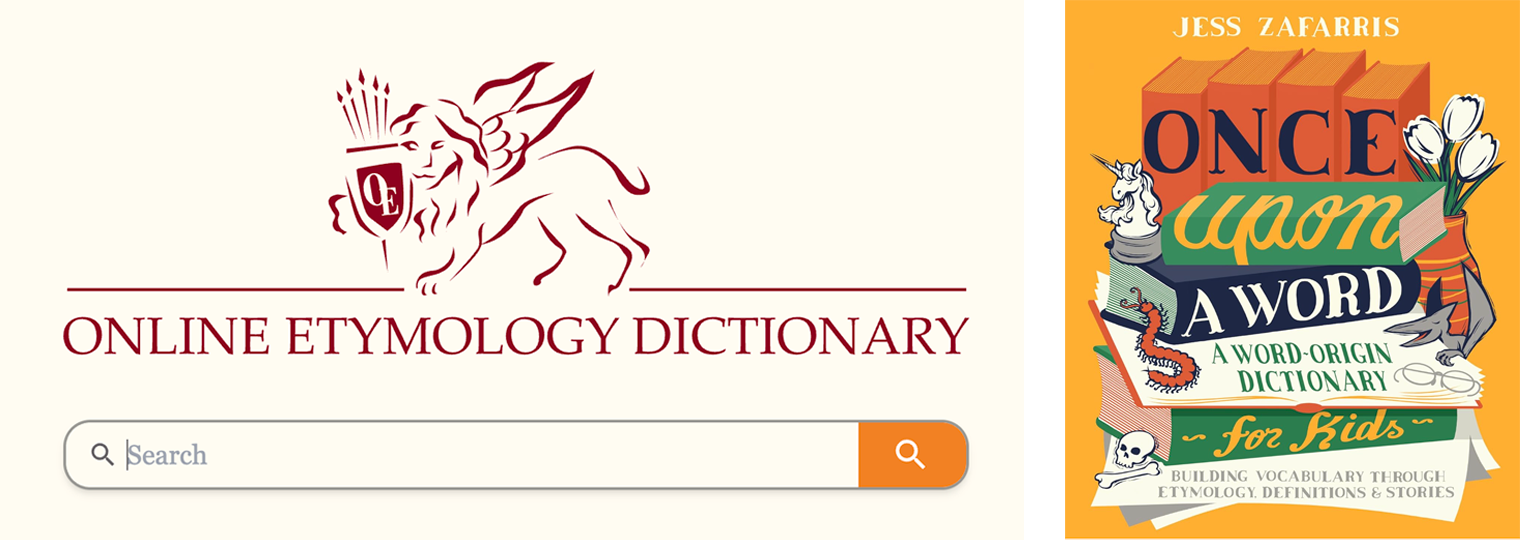
If you’re looking for resources to learn about the etymology of English words, the website etymonline.com is a great place to start. A simple Google search can also be very effective. Once Upon a Word by Jess Zafarris is a fun, student-friendly book for word origins too.
Morphology
Morphology is another important contributor to English spelling. It is often helpful for students to learn that a morpheme’s spelling usually remains stable, even if the pronunciation changes. We see this in words like child/children and heal/health, where the vowel pronunciation has shifted but the spelling has remained the same. When we show students these consistencies, it helps them connect a word’s meaning to its spelling. Many students will start to see connections between words as they learn more about morphemes. For example, when you learn the Latin root struct means “to build,” you will start to uncover the meanings built into words like structure, construct, and destruction. And if students also know the meaning of the prefixes con- and de- along with the suffixes -ion and -ure, they will truly have the keys to uncover the meaning of these words.
We can also teach students about consistent rules for adding suffixes to words, as seen in this chart. When students understand these reliable rules, they are better able to read and spell multisyllabic words. This advanced word study provides students with a deeper understanding of English spelling.
| Doubling Rule | If a word ends with one vowel followed by one consonant, double the final consonant before adding a vowel suffix. In multisyllabic words, this final syllable must be stressed. | stop—stopped swim—swimming begin—beginning |
| Drop Silent e | If a word ends in a silent e, drop the e before adding a vowel suffix. (The exception to this rule is when the final e is after a soft c or soft g. In that case, you do not drop the e. Examples: changeable, noticeable.) | smile—smiling create—creative hope—hoped |
| Change y to i | If a word ends in a single vowel-Y, change the y to i before adding a suffix, unless the suffix begins with i. | baby—babies reply—replied |
Advanced Word Study
Integrating morphology and etymology into word study helps strengthen students’ orthographic representation of words in their brain. We can start to do this in younger grades, as we explain the history of some of our trickiest high-frequency words, like, said, and know. These are some of the oldest words in our language, Anglo-Saxon words, and their pronunciation used to match their spelling. We can also lay the foundation for morphology when we explain that adding the suffix -s to a noun makes it plural or adding the suffix -ed to a word makes it past tense. These spellings are reliable even if our pronunciation changes, as we can see in the -ed ending in words like jumped, followed, and sprinted.
These introductions are important, but we must continue to build students’ understanding of etymology and morphology as we move into older grade levels through more advanced word study. An advanced understanding of English spelling will strengthen students’ writing and reading skills well beyond the primary grades. Including these components in your curricula is important.
As you consider curricula for advanced word study, look for etymology and morphology skills in the Scope and Sequence. A strong phonics Scope and Sequence will continue with more advanced word study instruction in older grade levels. Be on the look out for references to morphology and word origin, like you see in both Voyager Passport® and REWARDS®.
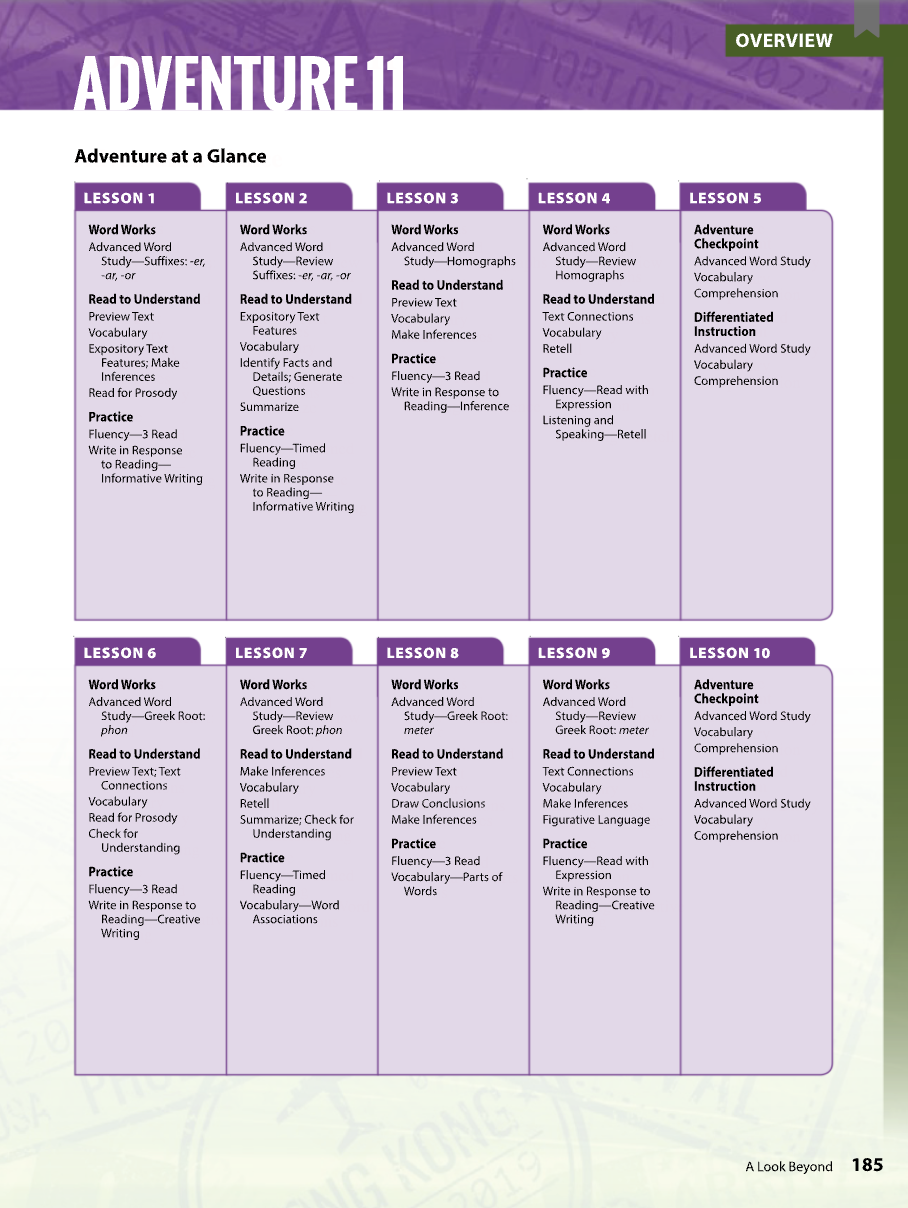
Excerpt from Voyager Passport, Level D (Third Grade), Adventure 11
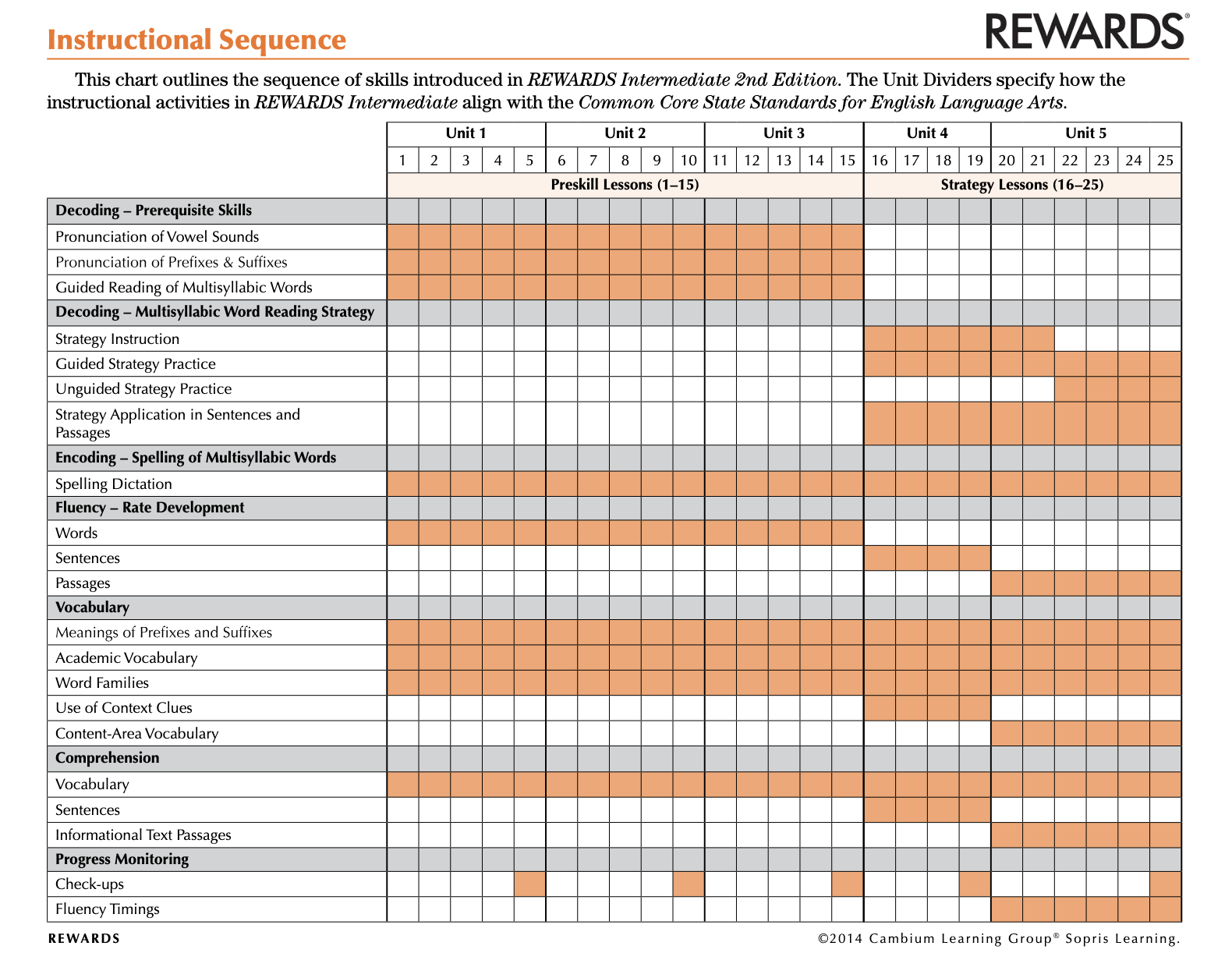
Excerpt from REWARDS Intermediate for Grades 4–6
References:
Eide, Denise. Uncovering the Logic of English : A Common-Sense Approach to Reading, Spelling, and Literacy. Minneapolis, Mn, Pedia Learning Inc, 2012.
Moats, Louisa Cook, and Carol A Tolman. LETRS : Language Essentials for Teachers of Reading and Spelling. Volume One. Units 1-4. Dallas, Tx, Sopris West Educational Services, 2019.