Where Literacy Begins
Released: Tuesday, May 12, 2026
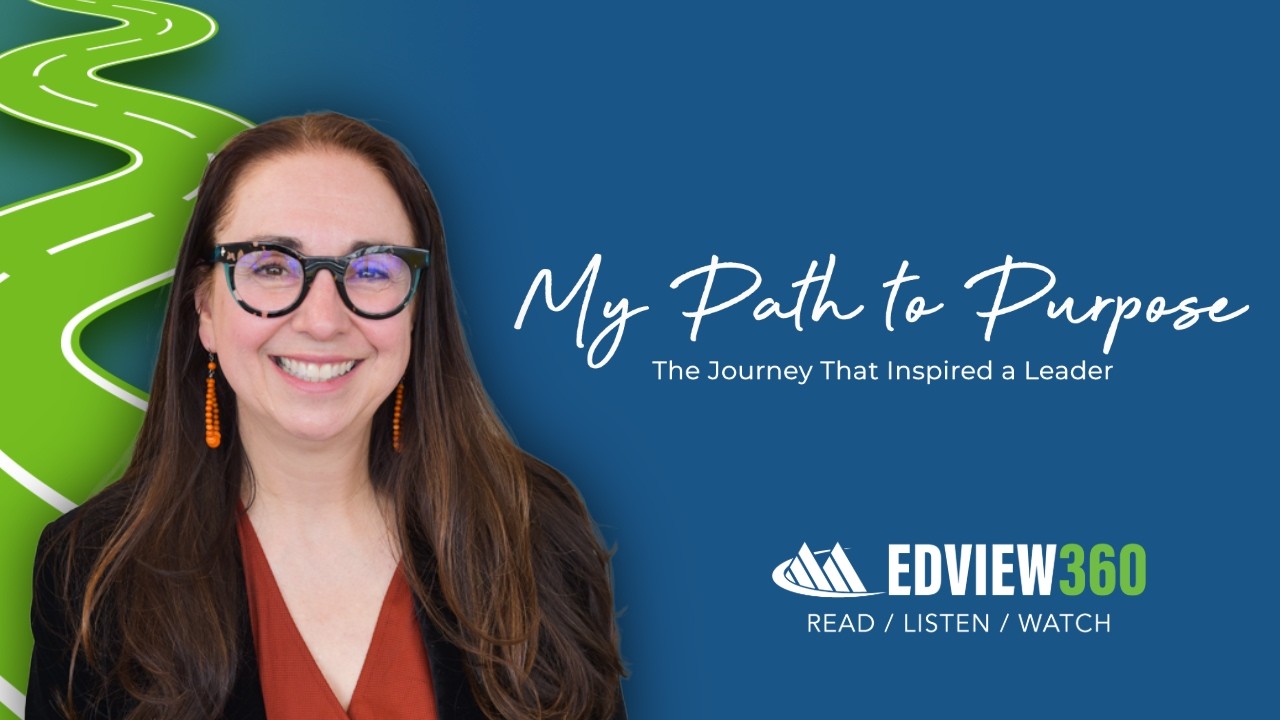
Working as a speech-language pathologist showed Dr. Tiffany Hogan that for many children, the struggle to read actually begins with speech and language development. She shares her journey from the clinic to earning a Ph.D. to bridge this gap and explains why creating equitable, neurodiverse-friendly support is the key to removing the shame often felt by struggling readers.
I was inspired to be a speech-language pathologist because I was seeing that children in my own family would go from babies, which are like blobs, and then in one year, they were able to communicate their wants and needs.
So, I became a speech-language pathologist, and I worked with young children who were struggling with speech and language development. And I felt like I was making great progress with them and training them on language and their parents. And then, I would dismiss them from services and they would go on to elementary school. And then, I would get a call back from their parents and their parents would say, they’re now struggling to learn to read.
So, this sent me down the path to really want to explore what is the connection between speech and language development and reading. I then obtained the Ph.D. to do that and have had the honor of really working on assessments and interventions to stimulate language. And what continues to strike me is how language is the foundation of reading. They are part and parcel the same thing. So, when you stimulate language, you’re stimulating reading and vice versa.
I’m also struck when I work with school partners and parents that some children are able to gain access to support services and they do quite well. And others, they don’t have that same support. So, I’m driven to want to create equitable support for children who are struggling with speech and language. I’m also struck by the fact that some children who struggle with speech and language development and which in turn makes them struggle with reading, they’re sitting in the classroom, they’re going to kindergarten, and they’re feeling a lot of shame and frustration and they start to internalize that. They think, “You know, I’m not good at learning” because if you can’t sit still and learn how to read in a kindergarten classroom, then you start to feel like, “I must not be made to be here, and I’m not good at learning.” And that is a very narrow view of strengths that we are instilling in children.
So, my goal is to really think about how to support children across their developmental milestones and especially children who are neurodiverse, who have a different way of learning and need different types of supports.
And that’s what I’m driven to do in my career.