
A COLORFUL Approach to Literacy: Engaging Learners in Morphology and Meaning

Michelle Sullivan is founder of The Colorful Classroom, co-founder of Logos Literacy Academy, host of the Literacy in Color podcast, and a children’s book author. With a mission to empower elementary teachers, Sullivan shares science of reading-aligned tips, tools, and strategies to help educators deliver strong, evidence-based literacy instruction. She encourages teachers to bring color to their teaching—through intentional multisensory practices—and to show up as bold, vibrant advocates for their students, cultivating a love for learning and literacy. After all, the goal is to Captivate Our Learners On Reading Fluently & Understanding Language (yes, it spells COLORFUL—because who doesn’t love a good acronym?).
With 17 years in education, and most of her career in literacy-focused roles, Sullivan has served as a small-group reading interventionist and instructional literacy coach. She now works as an educational consultant. She is both Orton-Gillingham & LETRS trained and has immersed herself in hundreds of hours of science of reading professional learning opportunities and self-study. A proud “word nerd,” Sullivan’s passion for language—from phonology to morphology and beyond—drives her mission to equip educators with the tools and confidence to transform their classrooms.
In an educational landscape where literacy scores are historically low, we cannot afford classrooms where students merely comply with instruction instead of connecting deeply with language and learning.
While advocacy for evidence-based instruction, aligned to the science of reading, is both necessary and long overdue, we must remember research and joy were never meant to compete.
In fact, my wish for every student is to experience what I like to call a COLORFUL classroom.
What is a COLORFUL classroom?
As an educator, what do you picture when you hear the phrase “colorful classroom?” Do you imagine bright bulletin boards? Rainbow book bins? Anchor charts layered with neon sticky-notes in every shade under the sun?
That’s often where our minds go first. However, a truly colorful classroom has very little to do with the aesthetic—and everything to do with the experience.
It’s not about what’s on the walls; it’s about what’s happening within them.
A colorful classroom is one where language is alive, where ideas are exchanged, and where students are actively engaged—thinking deeply and making meaningful connections. It’s a space that resonates with curiosity, a sense of belonging, and deep learning.
At the heart of that kind of classroom is a colorful teacher.
That’s what led me to develop the COLORFUL approach to literacy instruction:
Captivating Our Learners On Reading Fluently & Understanding Language
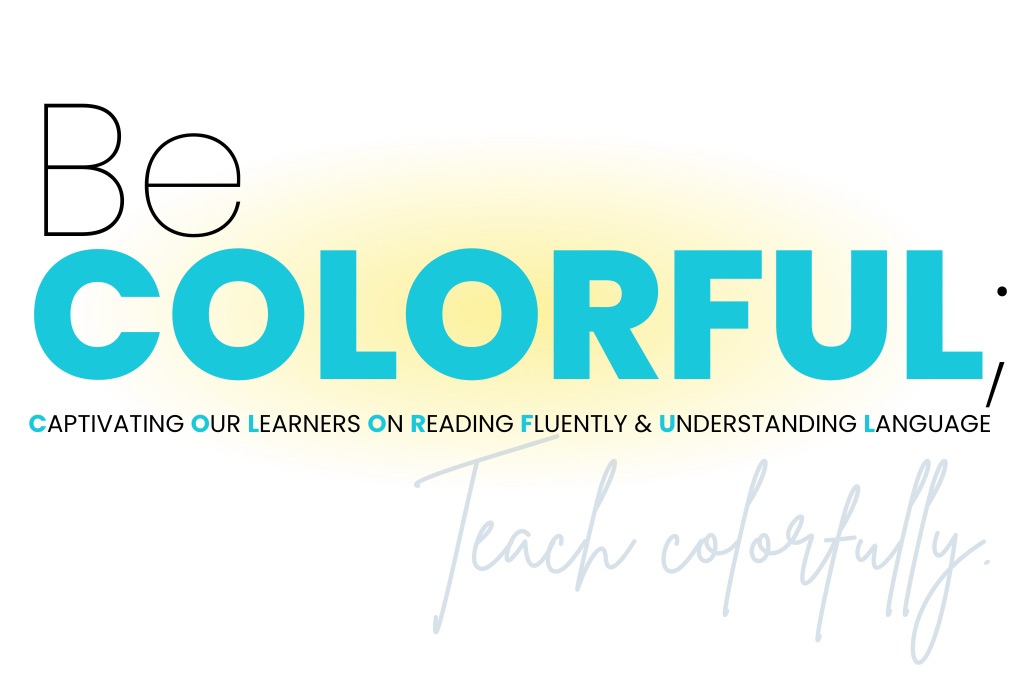
Yes, it’s an acronym (and I’ll admit, I love a good one)—but more than that, it represents a fundamental belief: Literacy should be vibrant, meaningful, and rooted in both research and relationships.
To be COLORFUL is to:
- Captivate attention through intentional engagement
- Build deep knowledge of language and meaning
- Design instruction that is both structured and alive
It’s a blend of art and science because we must ensure rigor does not come at the expense of engagement and human connection.
Morphology & Meaning
Before we dig deeper into being COLORFUL, let’s ground ourselves in language itself. At the heart of the system is something we call morphology (Bowers & Kirby, 2010; Kirby & Bowers, 2017).
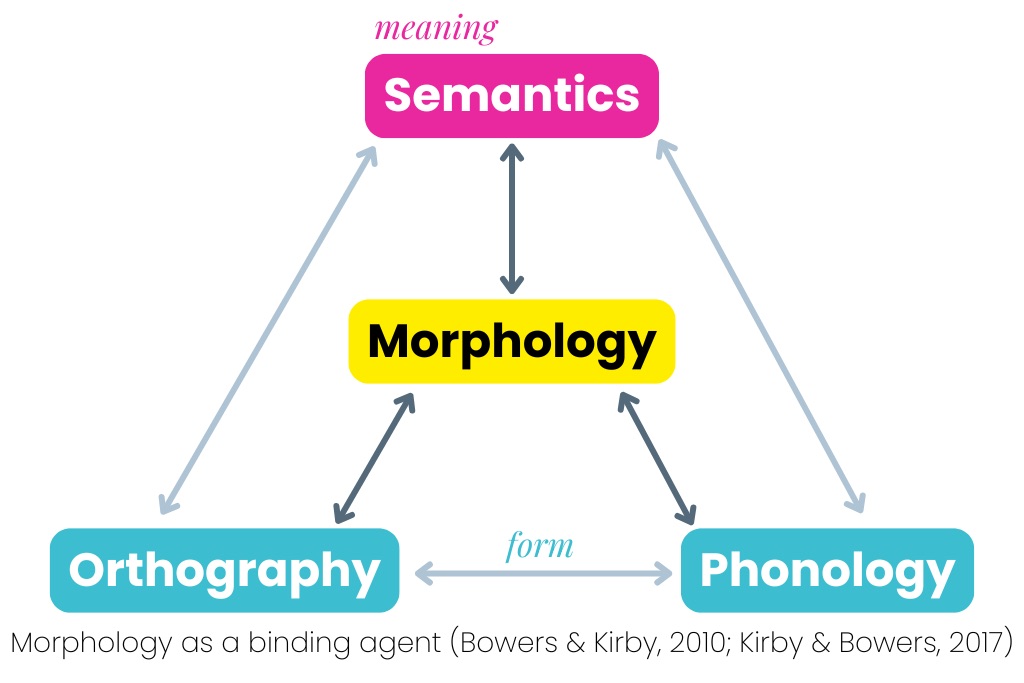
All too often, morphology is thought of as an “add-on” to literacy instruction—or perhaps something reserved for older learners during advanced vocabulary lessons or advanced word study blocks.
However, morphology is far more than that.
Morphemes: Units of structure that often hold meaning, are not linguistic chunks reserved for isolated skill work. They’re woven into every aspect of language—both spoken and written.
What’s a /p/? Well, it’s just a phoneme, a sound.
How about <oi>? That’s a grapheme.
Now, tell me what a “word” is? A word is a morpheme—and it carries meaning. In fact, every word in this post does, and THAT is powerful.
Ultimately, the purpose of phonemes and graphemes is to work in tandem to represent morphemes—all so we can communicate ideas, express emotions, share stories, and connect with the world.
Morphology should not feel like an isolated part of literacy instruction because meaning itself is not isolated from language. In fact, research has shown morphological awareness can positively impact multiple aspects of literacy, such as word reading, spelling, vocabulary, spelling, and comprehension—particularly as texts become increasingly complex (Carlisle, 2010).
So, how do we teach with such intention?
Captivating Our Learners
The heart of all effective instruction is in the <C>: captivating our learners. Without engagement, that spark of attention, we have nothing to build upon. Learning begins with connection.
Morphology naturally lends itself to curiosity and active engagement because as students investigate words, we begin to cultivate an environment of word consciousness.
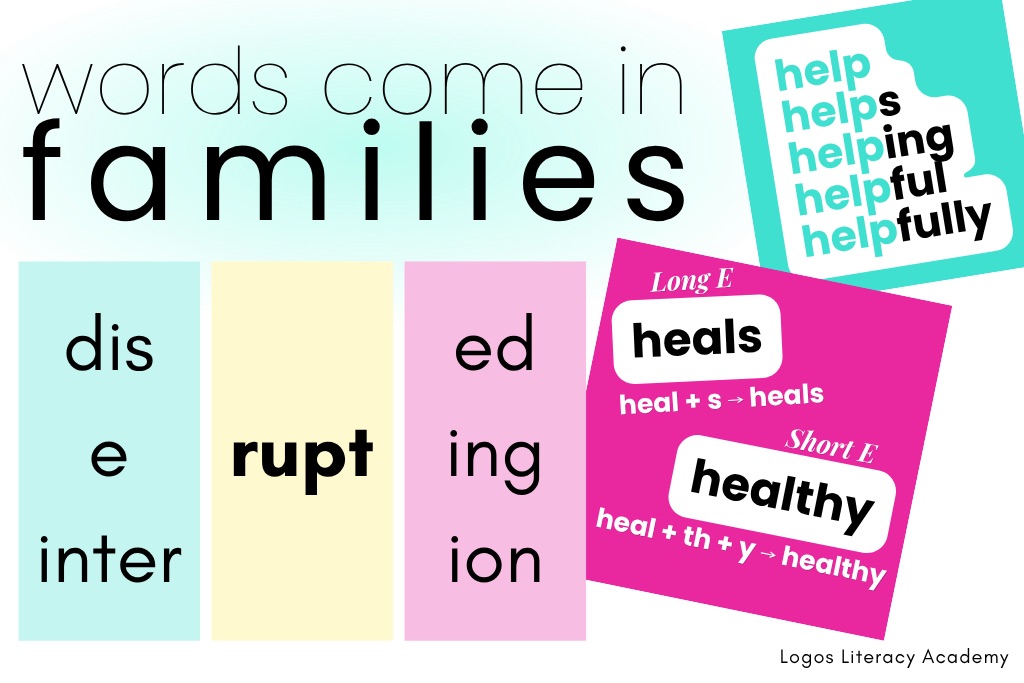
They begin to notice meaningful patterns across words in a family:
- help, helpful, helplessness
- act, action, react
Yet, one of the biggest misconceptions about explicit instruction is that it must feel rigid, passive, and scripted—lacking lively interactions. In reality though, explicit instruction, when executed well, is highly engaging.
As Dr. Anita Archer, author of REWARDS®, famously reminds us, “Learning is not a spectator sport.”
Students should not simply sit quietly while information is delivered to them. Effective literacy instruction invites learners to actively respond, rehearse, discuss, and think deeply about language.
In a morphology-rich classroom, this might sound like students orally generating word relatives, building word sums together, sorting words by meaningful patterns, or discussing how the addition of a suffix shifts both meaning and grammatical function.
On Reading Fluently
Fluency can often be misunderstood as simply an oral construct. However, true reading fluency is deeply connected to language comprehension and meaning-making.
In her book, Reader, Come Home, Dr. Maryanne Wolf discusses the concept of “attentional spotlights:” This idea that our attention must be intentionally directed and sustained for deep reading to occur.
Today’s learners are growing up in an increasingly distracted world. Because of this, literacy instruction must do more than simply expose students to words on a page, being able to recall such words with automaticity. We must help students attend to language deeply enough to process it, connect with it, and ultimately understand it.
Morphology can support this process in powerful ways.
When students understand how words are built, reading becomes more than surface-level word calling. Recognizing the meaningful chunks within words can support both word-level retrieval and comprehension.
For example, a student who encounters a multimorphemic word, such as “mistakenly” can process the word more efficiently by recognizing the familiar structural units inside:
<mistakenly → mis + take/ + en + ly>
Morphology helps students build fluency by chunking language and reducing cognitive load while preserving attention toward making meaning.
(and) Understanding Language
Of course, at the heart of literacy is language itself.
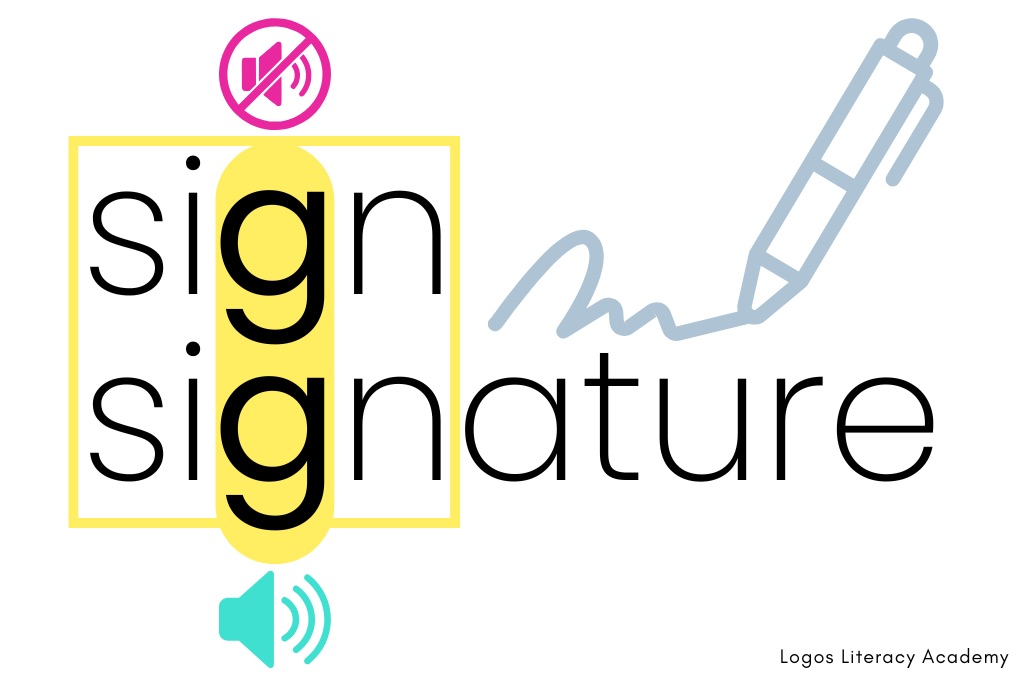
A student who recognizes the connection between sign and signature begins to understand that spelling can preserve meaning, even when pronunciation changes. These moments can completely reshape how students view the English writing system.
When students become curious about words (along with their meanings, structures, histories, and relationships), we can move into deeper learning.
What’s exciting is morphology can be the key that helps cultivate this sense of wonder.
Final Thoughts
Ultimately, a COLORFUL classroom nurtures this kind of language awareness intentionally. It creates space for students to notice, discuss, question, and even interrogate.
At the end of the day, literacy instruction should not simply teach students how to read words. It should help them understand (and love) language itself. After all, rigor becomes MORE powerful when engagement and meaning are present.
On the EDVIEW360 podcast Bringing Color to Literacy: How Engagement, Language, and Morphology Transform Reading Instruction, I discuss these points and more. Listen to learn more. (LINK to podcast page)
References
Archer, A., & Hughes, C. (2011). Explicit Instruction: Effective and Efficient Teaching.
Bowers, P. N., & Kirby, J. R. (2010). Effects of morphological instruction on vocabulary acquisition.
Carlisle, J. F. (2010). Effects of instruction in morphological awareness on literacy achievement.
Kirby, J. R., & Bowers, P. N. (2017). Morphological instruction and literacy: Binding phonological, orthographic, and semantic features of words.
Wolf, M. (2018). Reader, Come Home
