What Is Structured Literacy? A Guide for Educators

Structured Literacy is an evidence-based approach to reading instruction that explicitly and systematically teaches the components of language in a carefully sequenced order. Understanding what Structured Literacy is and how it differs from less explicit approaches helps educators make informed decisions about the instruction they provide. As the body of research behind the science of reading continues to shape classroom practice, Structured Literacy has become a foundational framework for effective reading instruction across grade levels and supports the development of essential literacy skills.
Key Takeaways
- Structured Literacy is an explicit, systematic approach to reading instruction grounded in the science of reading
- Its core elements—phonology, phonics, syllable structure, and morphology—are taught in a deliberate, cumulative sequence
- Structured Literacy benefits all students and is especially effective for those who struggle with decoding, spelling, and fluency
- Assessment is built into Structured Literacy instruction, allowing educators to adjust based on each student’s response
Explore Voyager Sopris Learning's Structured Literacy Solutions
What Structured Literacy Means
The International Dyslexia Association® defines Structured Literacy as an approach that teaches the structure of language in a way that is explicit, systematic, sequential, and cumulative. It is a set of principles that guide how reading and language are taught, encompassing phonology, sound-symbol correspondence, syllable patterns, morphology, syntax, and semantics.
The Purpose of Structured Literacy
The primary purpose of Structured Literacy is to build accurate word recognition and strong spelling skills by making the structure of written language transparent and predictable. By teaching students the rules and patterns that govern how words are formed and decoded, Structured Literacy reduces guesswork and builds automaticity to free up cognitive capacity for language comprehension.
Who Benefits From Structured Literacy
Structured Literacy is most commonly associated with students with dyslexia, and the research supporting its use with this population is robust. The International Dyslexia Association has identified Structured Literacy as especially effective for students with dyslexia and other language-based learning differences. However, this instructional approach benefits a wide range of learners, including English learners, emergent bilinguals, and students who have not yet developed strong foundational reading skills. Because it teaches the structure of language explicitly rather than assuming students will absorb it incidentally, Structured Literacy provides a strong foundation for all readers.
Structured Literacy and the Science of Reading
Structured Literacy and the science of reading are closely related but not identical concepts. The science of reading is the body of research that explains how skilled reading develops and what effective instruction looks like. Structured Literacy is the instructional approach that translates this research into classroom practice, making it the most direct application of reading science available to educators today. Understanding the distinction helps educators apply both more precisely.
- How Structured Literacy Reflects Reading Research: Structured Literacy draws on decades of findings from cognitive science, linguistics, and education to provide an instructional framework aligned with how the brain learns to read. Every component of Structured Literacy, from phonological awareness to morphology, has a direct basis in this evidence.
- Common Misconceptions: Structured Literacy is sometimes confused with balanced literacy, which encourages students to use context clues or picture cues to identify unknown words rather than relying on explicit instruction in phonics and phonemic awareness. Research consistently shows explicit phonics-based instruction, like in Structured Literacy, produces stronger decoding outcomes.
Core Elements of Structured Literacy
Structured Literacy instruction addresses specific components of language in an integrated, sequential way. Each element builds students’ ability to understand and use the code of written English.
- Phonology and Phonological Awareness: Phonological awareness is one of the strongest predictors of reading success. Structured Literacy explicitly develops phonological and phonemic awareness, teaching students to identify, segment, blend, and manipulate individual sounds alongside the introduction of print.
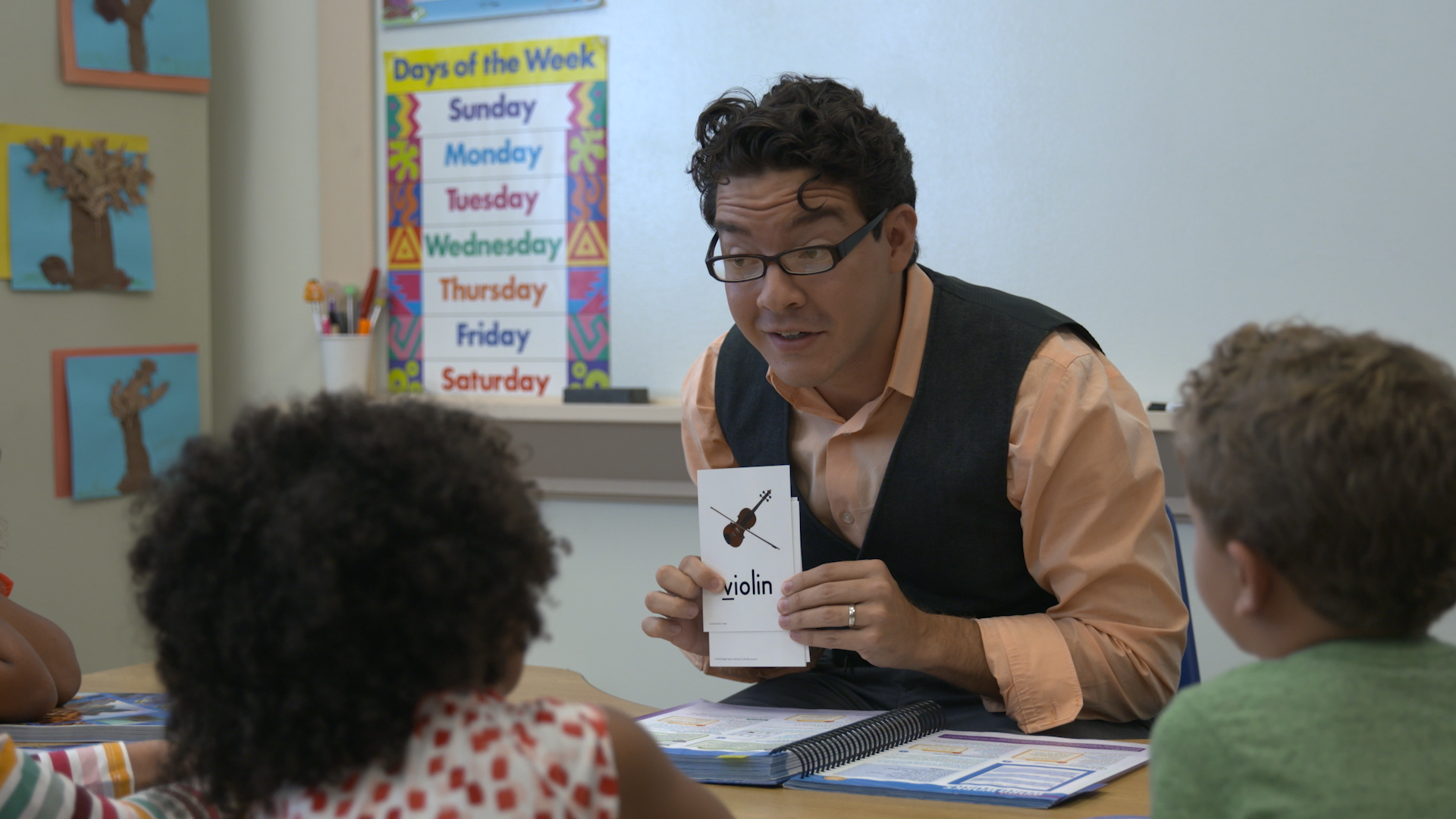
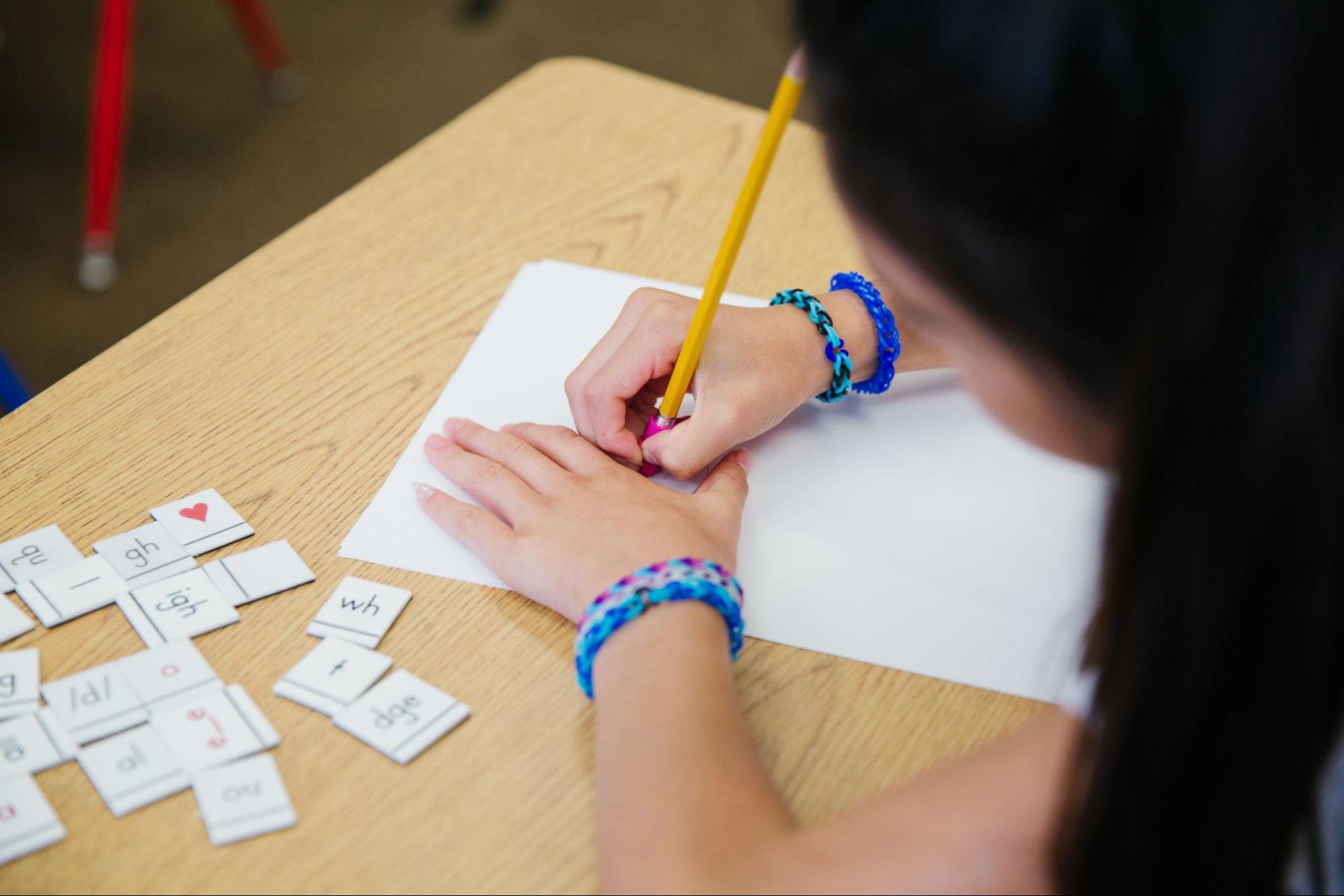
- Sound-Symbol Relationships: Structured Literacy uses explicit, systematic phonics instruction to teach the relationships between sounds and the letters that represent them directly rather than incidentally. Students practice each correspondence in both decoding and encoding tasks, building a reliable command of the alphabetic principle.
- Syllable Patterns and Word Structure: Structured Literacy teaches the six types of syllables in English, giving students a framework for decoding multisyllabic words by breaking them into manageable parts. This explicit instruction becomes especially valuable as students encounter more complex vocabulary and sentence structure in upper-elementary and secondary texts.
Morphology, Vocabulary, and Language Structure: Morphological instruction and the study of base words teach students how prefixes, suffixes, and roots combine to form words and shift meaning. This knowledge supports vocabulary development, sentence structure, and reading and language comprehension, particularly in content-area texts where academic language is dense.
Key Features of Structured Literacy Instruction
How Structured Literacy is delivered matters as much as what is taught. The approach is characterized by specialized instruction that distinguishes it from less explicit methods.
- Explicit and Systematic Instruction: Skills are taught directly and clearly through deliberate, sequential instruction, with each concept modeled by the teacher and practiced with guidance before independent practice. Nothing is left to inference or incidental exposure.
- Cumulative and Sequential Learning: New skills build on previously mastered ones, reinforcing prior knowledge while advancing the sequence. This cumulative design ensures gaps do not go undetected and that students have a solid foundation at each stage.
- Diagnostic and Responsive Teaching: Ongoing, evidence-based assessments are embedded throughout instruction. These assessments allow educators to monitor progress, identify skill gaps, and adjust teaching based on actual student performance rather than pacing guides alone.
How Structured Literacy Programs Support Instruction
Structured Literacy programs provide educators with the tools and sequence needed to implement evidence-based literacy instruction consistently across classrooms and schools. Effective Structured Literacy reading programs deliver explicit lessons organized around a clear Scope and Sequence, ensuring each component of language is addressed in the right order and at the right level of depth.
Cumulative practice is built into the lesson structure, so students review previously learned material while advancing to new skills. Ongoing assessment allows educators to track student progress and make data-informed decisions about pacing and intervention. When implemented with fidelity, Structured Literacy programs give educators a reliable pathway for building reading skills in a wide range of learners.
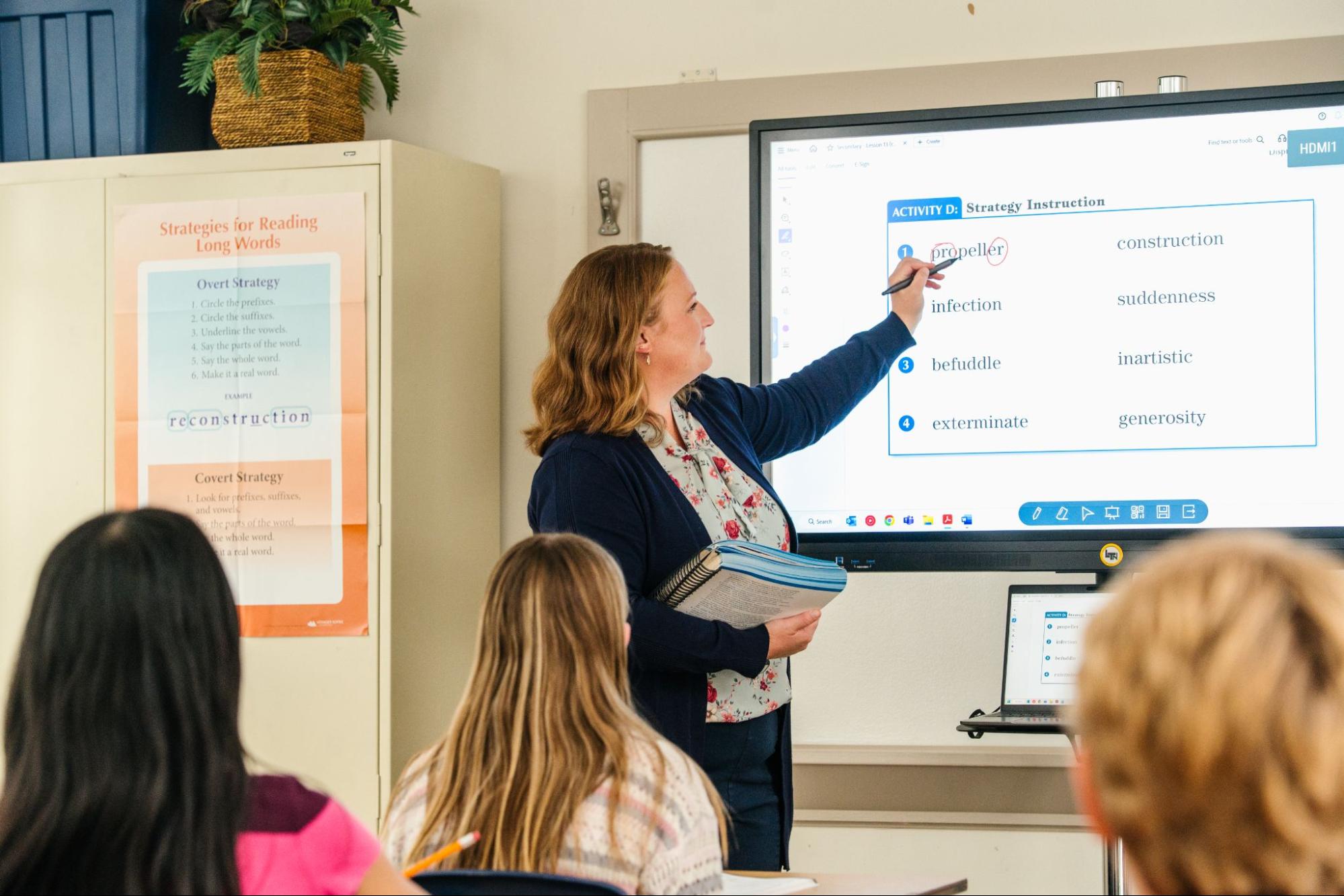
Voyager Sopris Learning Reading Solutions Follow Structured Literacy
All reading solutions from Voyager Sopris Learning® are built on Structured Literacy principles, including Voyager Passport®, LINKS to Literacy™, Sound Partners, REWARDS®, and LANGUAGE! Live®. Each solution delivers explicit, systematic instruction through a comprehensive Scope and Sequence that addresses the core elements of Structured Literacy.
Targeted practice reinforces learning at every stage, and built-in assessment tools help educators monitor progress and respond to student needs. These solutions are designed to bring the principles of Structured Literacy into practical, classroom-ready implementation, providing educators with the instructional support students need to develop as confident, capable readers.
About Voyager Sopris Learning
Voyager Sopris Learning is the reading, writing, and math intervention specialist dedicated to developing evidence-based solutions that support educators and improve outcomes for students. The organization's solutions are grounded in the science of reading and Structured Literacy, and are designed to provide educators with the instructional tools needed to meet the needs of a wide range of learners, from foundational readers to students requiring intensive intervention.
Explore Voyager Sopris Learning's Structured Literacy Solutions
FAQs
What is Structured Literacy?
Structured Literacy is an evidence-based approach to reading instruction that teaches the components of language. It is grounded in the science of reading and is widely recognized as an effective framework for building foundational reading skills in all students.
What are the core elements of Structured Literacy?
The core elements of Structured Literacy include phonological awareness, sound-symbol relationships (phonics), syllable patterns and word structure, morphology, syntax, and semantics. These components are taught in a deliberate sequence, with each new concept building on previously mastered skills.
How does Structured Literacy support struggling readers?
Structured Literacy provides struggling readers with the explicit, systematic instruction they need to develop accurate decoding and spelling skills. Rather than relying on context clues or memorization, students learn the code of written language directly. This approach is particularly effective for students with dyslexia and other language-based learning differences, who benefit from interventions using clear, sequenced instruction that leaves nothing to inference.
Are Structured Literacy programs effective for all students?
Yes, while Structured Literacy is most commonly discussed in the context of students with reading difficulties, research supports its use with all readers. Because it explicitly teaches the structure of language, Structured Literacy builds a strong foundation for students at every level, including those who are on track developmentally and those who are advanced.