
Voyager Sopris Learning EDVIEW360 Podcast Series

When Awareness Becomes Action: Changing Outcomes for Students with Dyslexia
Release Date: Thursday, October 08, 2026 | 1pm ET
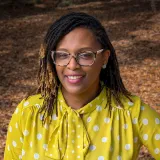
Voyager Sopris Learning’s Dyslexia Awareness Week concludes with an inspiring and action-focused session led by Clarice L. Jackson, nationally recognized literacy and dyslexia advocate, educator, consultant, author, and longtime champion for struggling readers and their families.
For nearly three decades, Clarice has worked alongside students, families, educators, policymakers, and communities around one central question: Once we know a child is struggling to read, what are we going to do about it?
Building on the foundational knowledge shared throughout Dyslexia Awareness Week, Clarice will challenge educators to move beyond awareness and into action. Understanding dyslexia matters, but awareness alone does not change a child’s reading trajectory. What changes outcomes is what happens next: early identification, evidence-aligned instruction, effective intervention across all tiers of support, progress monitoring, knowledgeable educators, engaged families, and systems prepared to respond when students struggle.
Drawing from her work as Founder and Executive Director of the Voice Advocacy Center, Founder and President of Decoding Dyslexia Nebraska, President of The Reading League Nebraska, and Convener and Host of the Black Literacy Matters® National Conference, Clarice will explore how instruction, intervention, policy, and family-school partnerships intersect to shape outcomes for students with dyslexia.
Clarice will also draw from her published Reconstruction Literacy Paradox framework and her scholarship, Literacy as Exodus: The Reconstruction Literacy Paradox and the Collapse of Educational Will, published in The Midwest Quarterly. Her work raises an important question for education today: If we know more about how children learn to read than ever before, do we have the educational will to ensure that every child receives the instruction and intervention they need?
Through powerful experiences from students and families, Clarice will demonstrate what can happen when struggling readers are seen, families are heard, and educators have the knowledge and tools to act.
Her message is simple and urgent: Awareness is the beginning. Action is what changes lives. When what we know becomes what we do, we can change not only how a child reads, but the trajectory of that child’s education and future.
What You’ll Learn
- How to move from dyslexia awareness to meaningful action in classrooms and schools
- Why effective intervention across all tiers of support matters for students with dyslexia
- How early identification, evidence-aligned instruction, intervention, and progress monitoring work together
- How educators and families can become effective partners in supporting student success
- How systems and policies shape access to identification, instruction, and intervention
- Which instructional practices make the greatest difference for struggling readers
- Why timely, evidence-based intervention can change a student’s educational trajectory
- How educators can turn what they know about dyslexia into what they do for students

Dyslexia and Its Profiles: A Practical Guide for Teachers and School Leaders
Release Date: Wednesday, October 07, 2026 | 1pm ET
Dyslexia doesn’t look the same in every student—and those differences matter for how we teach and support them. However, the variation is well documented and it varies in the well established primary characteristics of dyslexia. In this webinar, Dr. Tim Odegard, nationally recognized researcher, practitioner, and advocate, will help educators understand the variations of dyslexia in clear, everyday language. He’ll explain why individuals continue to show signs of dyslexia even after intervention, what those long‑term patterns look like, and how teachers can make sure these learners get support across all tiers of instruction and intervention throughout their school years that follow them as they transition to life outside of a K-12 setting.
Dr. Odegard will also break down the growing conversation around the national dyslexia bill and why the current special education category of Specific Learning Disability (SLD) often creates confusion. Right now, many students with dyslexia are placed under a broad SLD label without naming dyslexia specifically. Dr. Odegard will show how this lack of clarity affects instruction, intervention, and long‑term outcomes that are not just limited to students with dyslexia identified under SLD—and why naming the specific form of SLD directly, with dyslexia being the most prevalent, would give educators better guidance on what it looks like and how it progresses over time.
Educators will walk away with a clearer understanding of:
- what dyslexia looks like in real students
- how dyslexia can change as children grow
- why naming dyslexia matters for instruction and intervention
- how changes to how SLD is reported and documented within IDEA could improve support for all students with learning differences
This session is designed to help teachers, specialists, and school leaders build stronger, more accurate systems of support—so every child with dyslexia gets the instruction and intervention they need to thrive.

What Dyslexia Is, What It Isn't, and Why It Matters
Release Date: Tuesday, October 06, 2026 | 1pm ET
Voyager Sopris Learning’s Dyslexia Awareness Week begins with a powerful, myth‑busting session led by Dr. Kelli Sandman‑Hurley, one of the nation’s most trusted voices in dyslexia education. In this kickoff presentation, Dr. Sandman‑Hurley will give educators a clear, accurate understanding of what dyslexia really is—and what it is not. She’ll dispel common misconceptions, share real stories from students and adults with dyslexia, and demonstrate how these experiences can reshape the way teachers recognize and respond to reading difficulties.
The session opens with a fascinating dyslexia simulation that helps educators experience what struggling readers often feel. From there, Dr. Sandman‑Hurley will explain why accurate knowledge matters: how misunderstandings can delay support, how early identification changes learning trajectories, and how effective intervention across all tiers ensures students with dyslexia get what they need to thrive. Her insights, grounded in years of work with learners of all ages, highlight the urgency of getting dyslexia right—and the hope that comes when we do.
Whether you’re a classroom teacher, specialist, or school leader, this session will equip you with practical strategies, renewed clarity, and a deeper understanding of how to support students with dyslexia through effective instruction and intervention.
What You’ll Learn
- What dyslexia actually is—and the most common myths that get in the way
- How dyslexia feels for students through an interactive simulation
- How to recognize dyslexia in real classroom situations
- Why early identification matters for long‑term reading success
- How accurate understanding improves intervention and prevents students from slipping through the cracks

Effective Tier 1 Literacy in the Primary Grades
Release Date: Tuesday, September 15, 2026 | 4pm ET
Join this applicable and enlightening presentation with Dr. Stephanie Stollar, one of the nation’s foremost experts on MTSS, early literacy, and effective intervention. Drawing on her extensive work through The Reading Science Academy and her decades of experience supporting schools across the country, Dr. Stollar will unpack the essential characteristics of high‑quality Tier 1 instruction—the features that truly drive student success.
In this session, Dr. Stollar will show how Tier 1 instruction and intervention must work together, what educators should look for “under the hood,” and why recognizing and implementing these key ingredients is critical for preventing reading difficulties before they take root. Educators will walk away with practical clarity, actionable steps for intervention, and a deeper understanding of how to strengthen Tier 1 so that fewer students need more intensive support.
Attendees will Learn:
- The characteristics of effective Tier 1 instruction
- How to use universal screening data to inform components of Tier 1 instruction
- Approaches to aligning Tier 1 instruction and intervention with student needs
- How to use screening and progress monitoring data to evaluate the effectiveness of the Tier 1 system of support
- How to spot and correct common Tier 1 misconceptions
The Power of REPRESENTATION: I See Me in What I Read
Released: Thursday, August 06, 2026
Part 3 of the EDVIEW360 “Power of Print” Week on edWeb
As we conclude The Power of Print week, EDVIEW360 is honored to welcome Dr. Lakeisha Johnson—a nationally respected researcher, assistant professor at Florida State University, director of The Village at the Florida Center for Reading Research, and founder of Maya’s Book Nook. Dr. Johnson is widely recognized for her work on language and literacy development in African American children, dialect and identity, and the critical role of representation in reading materials. Her research‑practice partnerships and community‑centered advocacy have made her one of the most influential voices in literacy equity today.
During this powerful closing session, Dr. Johnson builds on the themes introduced by Dr. Louisa Moats and Dr. Susan Neuman, weaving together the science of reading, access to print, and the lived experiences of children. She explores why representation in books is not simply a matter of inclusion—it is a matter of equity, opportunity, and belonging. When students see themselves, their families, and their communities reflected in print, they engage more deeply, build stronger language connections, and develop the confidence needed to thrive as readers.
Drawing from research, classroom practice, and her work curating diverse children’s literature, Dr. Johnson will show educators how to intentionally select, use, and discuss texts that affirm identity and expand students’ understanding of the world.
This session is both inspiring and practical—perfect for teachers, literacy leaders, and anyone committed to ensuring every child sees themselves in what they read.
What You Will Learn
- Why representation in print matters—and how it shapes identity, motivation, and literacy outcomes
- How to evaluate classroom libraries for diversity, authenticity, and linguistic richness
- Ways to use diverse texts to build language, background knowledge, and meaningful discourse through shared book reading experiences
- Strategies for creating equitable reading experiences that honor students’ voices and cultural identities while targeting language and literacy skills
- How families and communities can be partners in building literacy through diverse books at home
- Practical tools and book recommendations from Dr. Johnson’s work with Maya’s Book Nook

The Power of ACCESS: Why Print Resources Still Matter for Equity, Opportunity, and Early Literacy
Released: Wednesday, August 05, 2026
Part 2 of the EDVIEW360 “Power of Print” Week on edWeb
Following Dr. Louisa Moats’ inspiring kickoff to The Power of Print week, EDVIEW360 welcomes Dr. Susan B. Neuman, one of the nation’s most respected early literacy researchers and a leading voice on equity, access, and the role of print in children’s learning environments.
During this research‑rich session, Dr. Neuman examines the critical importance of print access—especially for children growing up in communities where books are scarce. Drawing on decades of work on book deserts, summer reading loss, and the influence of trusted messengers, she reveals how access to high‑quality print materials can dramatically change children’s literacy trajectories.
This presentation does not argue against digital tools. Instead, Dr. Neuman shows how print resources remain a powerful, evidence‑based lever for improving vocabulary, background knowledge, reading motivation, and long‑term academic outcomes—particularly for children who need it most.
Educators will learn:
- What research tells us about book deserts and why access to print is still deeply unequal
- How print-rich environments support early language and literacy
- Why summer reading matters—and how print can reduce summer slide
- The role of trusted messengers (teachers, librarians, community leaders) in motivating families to read
- Practical, research-backed strategies for increasing children’s access to books at school, at home, and in the community
Dr. Neuman’s work has shaped national conversations about literacy equity, and her findings offer a compelling case for why print remains essential—even as digital tools expand. This session will equip educators, administrators, and community leaders with actionable steps to ensure every child has the print resources they need to thrive.
Join us for this powerful second installment of The Power of Print week and stay with us for the final session featuring Dr. LaKeisha Johnson.

The Power of BOOKS: Building a Lifelong Love of Reading
Released: Tuesday, August 04, 2026
Part 1 of the EDVIEW360 “Power of Print” Week on edWeb
In an increasingly digital world, what is lost when children spend less time with real books—and what can we do to bring them back? Join literacy trailblazer Dr. Louisa Moats as she opens our three‑part EDVIEW360 series, The Power of Print, sponsored by Voyager Sopris Learning®.
During this inspiring session, Dr. Moats reflects on why books still matter—not as nostalgic artifacts, but as essential tools for building language, knowledge, connection, and a lifelong love of reading. Drawing on insights from great thinkers and writers, she explores how reading physical books strengthens attention, deepens comprehension, and supports the cognitive and emotional development of young learners.
This webinar is not about dismissing digital tools. Instead, it highlights the powerful, irreplaceable role of print in the literacy ecosystem. Dr. Moats will invite participants to reflect on the childhood reading experiences that shaped them—and consider how to create those same lasting memories for today’s students.
Educators will learn:
- Why print books uniquely support language, comprehension, and memory
- How reading aloud builds strong bonds, engagement, and curiosity
- Ways to nurture lifelong readers in a digital‑first world
- How to balance digital tools with the enduring benefits of print
- Practical strategies for encouraging book‑rich classrooms and homes
“We can and must counteract the alarming societal trend away from reading books.” — Dr. Louisa Moats
This session sets the stage for the full Power of Print week on edWeb. After Dr. Moats’ presentation, join us for additional webinars with Dr. Susan Neuman and Dr. LaKeisha Johnson, each offering their own perspectives about why print remains essential to literacy, equity, and lifelong learning.
Start the week with one of the most influential voices in literacy—and rediscover the power of books to change lives.

Fundamental Literacy Foundations: Research-Aligned Tier 1 Instruction in Early Elementary
Released: Tuesday, May 19, 2026
Join educator and literacy specialist Rachel Sorsel (@mindfulteaccherrachel) for an inspiring session on how fundamental shifts in Tier 1 early literacy instruction lay a foundation for student success far beyond the primary years. Rachel integrates Science of Reading research into manageable instructional design made for real classrooms.
This webinar moves beyond rote memorization, guiding teachers to foster deep word understanding through morphology, etymology, and phonics in early grades as well as intentionally teaching executive functioning skills. Participants will gain practical strategies they can implement immediately to strengthen early literacy instruction, nurture student confidence, and lay the groundwork for advanced comprehension and academic achievement.
Educators will leave with actionable tools to:
- Increase alignment between reading, writing, and spelling instruction (and more!)
- Differentiate effectively without increasing workload while building executive functioning skills
- Build vocabulary and background knowledge through early attention to word structure
- Use assessment efficiently to guide instruction and communicate meaningful insights to families

Build Text-Based Insight Through Academic Discourse: From Checking to Constructing
Released: Tuesday, April 21, 2026
Does classroom discussion feel like pulling teeth? Or maybe your students are talking, but the conversation still isn’t as deep, insightful, or meaningful as you know it could be. If you’ve ever imagined a classroom where you and your students can truly get lost in a text—wrestling with ideas, building insight, and shaping understanding together—this session is for you.
Skilled readers capture the essence of a text, and discussion plays a critical role in helping them make sense of it.
In this session, Dr. Mitchell Brookins will show how to move beyond questions that check for understanding and toward using academic discourse to construct it. You’ll learn how to identify critical ideas in a text, guide student thinking using cognitive routines, and press for clarity so students move beyond first answers to deeper, text-based insight.
You’ll Learn how to:
- Identify the critical ideas in a text that are worth stopping and building around
- Use cognitive routines to probe student thinking and generate strong inferences
- Press and refine responses so students develop clear, text-based understanding
Please join us!

2026 EDWEB THE SCIENCE OF WRITING WEEK - Empowering Young Writers: Using POW To Build Confidence and Skill
Released: Thursday, February 12, 2026
Join teacher, author, and writing instruction specialist Lindsay Kemeny for a practical, classroom-tested session about helping young students become successful writers. Drawing from her deep experience in early literacy and her work with Self-Regulated Strategy Development (SRSD), Kemeny introduces educators to the POW writing strategy—Plan, Organize, Write—and shows how it can dramatically improve student outcomes. Her approach is grounded in evidence-based practices and informed by years of working directly with students, designing instructional routines that foster both skill and confidence.
Through real-world examples from a first grade classroom, participants will see how daily and weekly writing structures can be implemented to support planning, organization, and self-regulation. These strategies are designed to be accessible, engaging, and immediately applicable—helping educators create writing environments where students feel empowered to express themselves and grow.
What You’ll Learn
- How to implement the POW strategy using SRSD
- Instructional routines for teaching the writing process in early elementary classrooms
- Strategies for helping students organize and write informational paragraphs
- Techniques for fostering positive attitudes and confidence in young writers
- Real-world examples of lesson structures that support writing growth
Add your email here to sign up for EDVIEW360 blogs, webinars, podcasts, and stories. We'll send you an email when new posts and episodes are published.